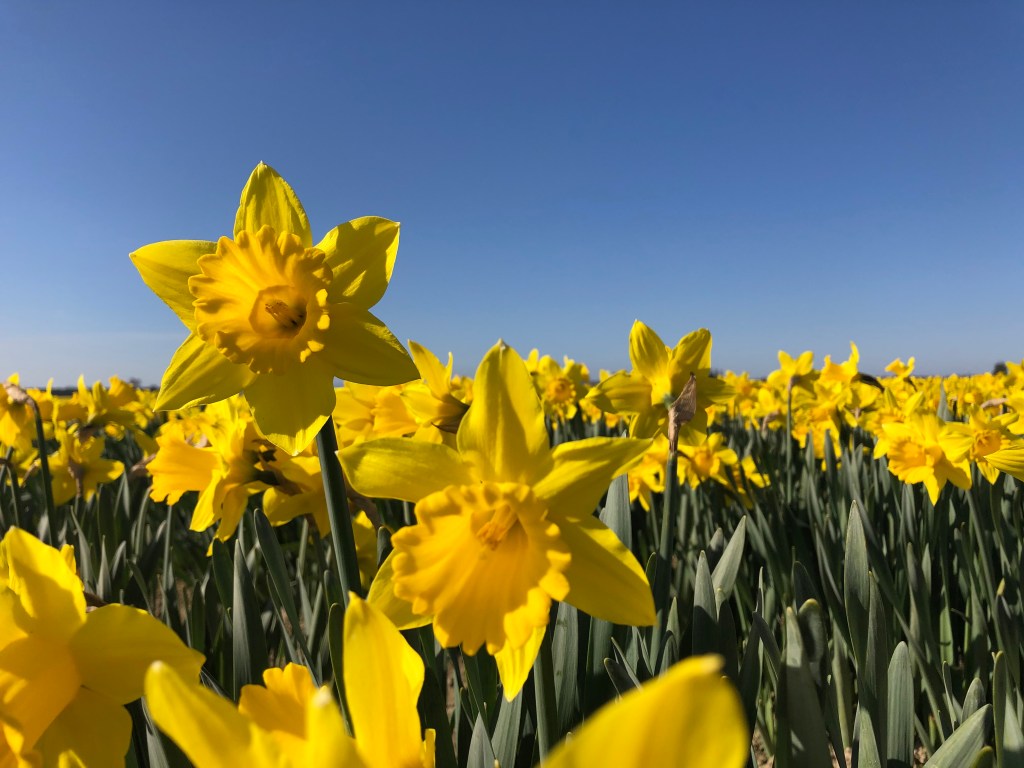
On the last day of freedom before our sheltering-in-place began, Libby and I made our way over to Mount Vernon to soak in some sunshine—both the actual rays on this first spring Saturday of the year and the sunny, yellow fields of daffodils.
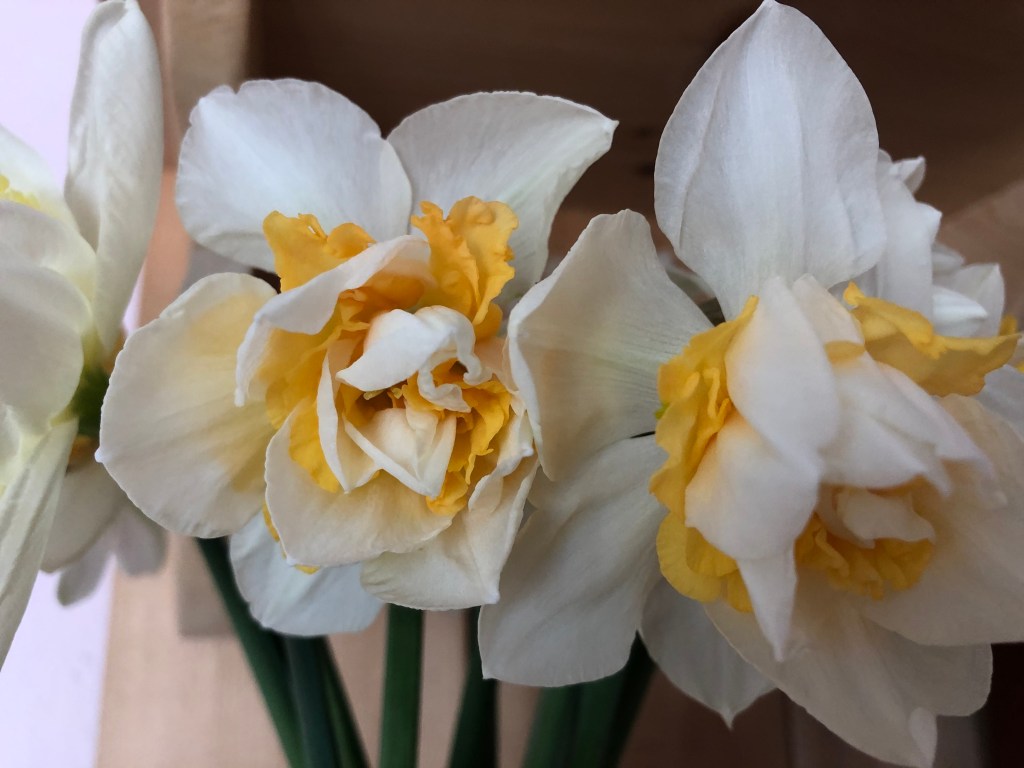
Sunny girl.Surrounded by beauty.Ruffly petals.
The farms weren’t open to the public, so we had a socially distant lunch on the dirt in the middle of the daffodil field. Heaven.
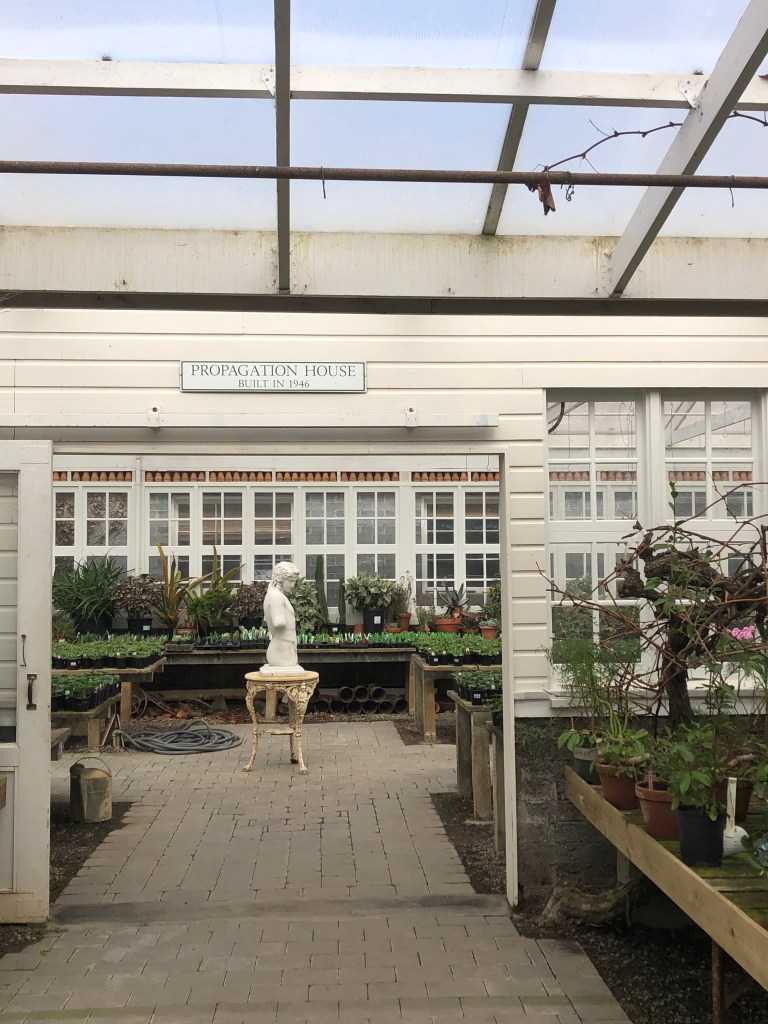
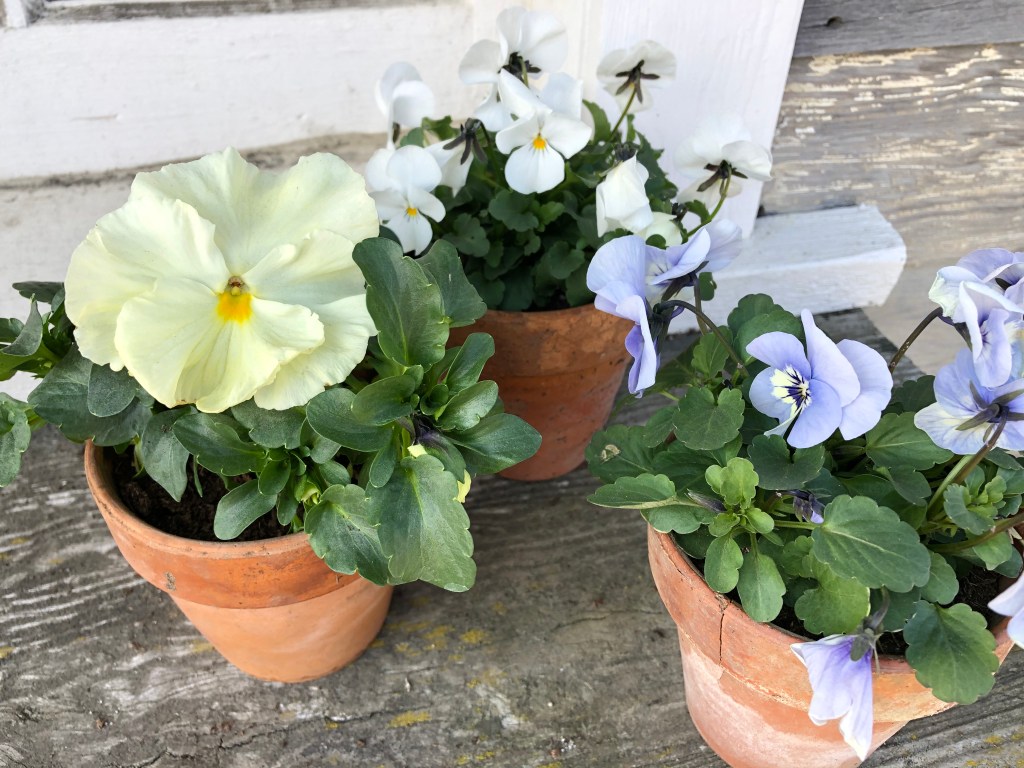
We also stopped by Christianson’s, one of the best local nurseries in the area, for some garden inspiration. There we greeted doves, walked lazily through greenhouse after greenhouse and purchased a few tiny pots to plant violets in.
My favorite propagation house.Doves are also sheltering.Inspiration for our violet pots.
The next day, having spent all that time soaking up beauty, we tackled some much needed weeding AND planted seeds—poppies and sweet peas direct-seeded outside, while a host of others, such as yarrow, hollyhocks, snapdragons, foxgloves, started indoors.
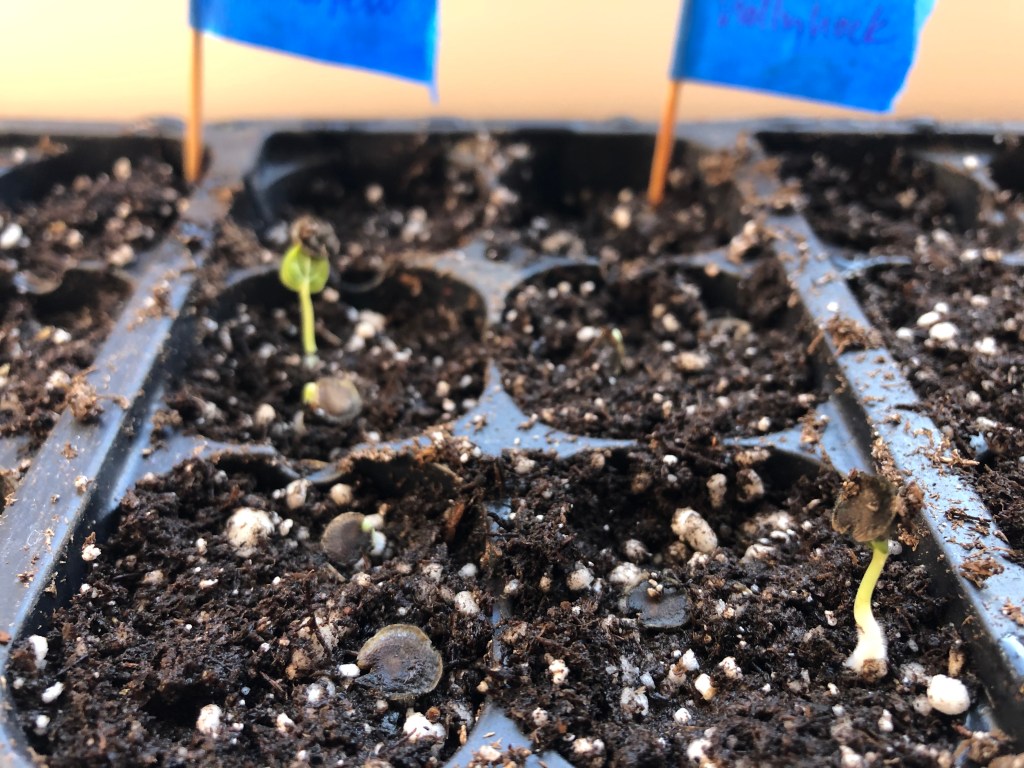
Just a few days later and already tiny sprouts are popping out of the soil!
Hollyhocks coming up.
In these days surrounded by deaths—now climbing into the hundreds in Washington state—it’s good to see life unfolding before my eyes.
Perhaps this pandemic will bring about one thing of beauty: everyone’s gardens will be lush this summer after days spent at home, in isolation, working the soil.
We don’t wake up with the sunrise to get out in the garden. It’s still winter, we’re still young and waking up slowly and sweetly is too lovely to give up.
Besides, we know that just as much can be done in the warmth of a setting afternoon sun as in the morning.
In the midst of winter, the earth is still cold but at our seaside home it is damp and soft, making it easy to dig our trowels in, pull up weeds with our bare hands and plant our hopes.
After moving into a new house in Port Townsend last November, Libby and I are spending January planning our flower garden for the summer.
The yard art we decided to keep.
Here are some of the first tasks on a journey which I hope will lead to a blooming paradise this summer:
Figuring out what to do with the yard art left by the home’s previous owner.
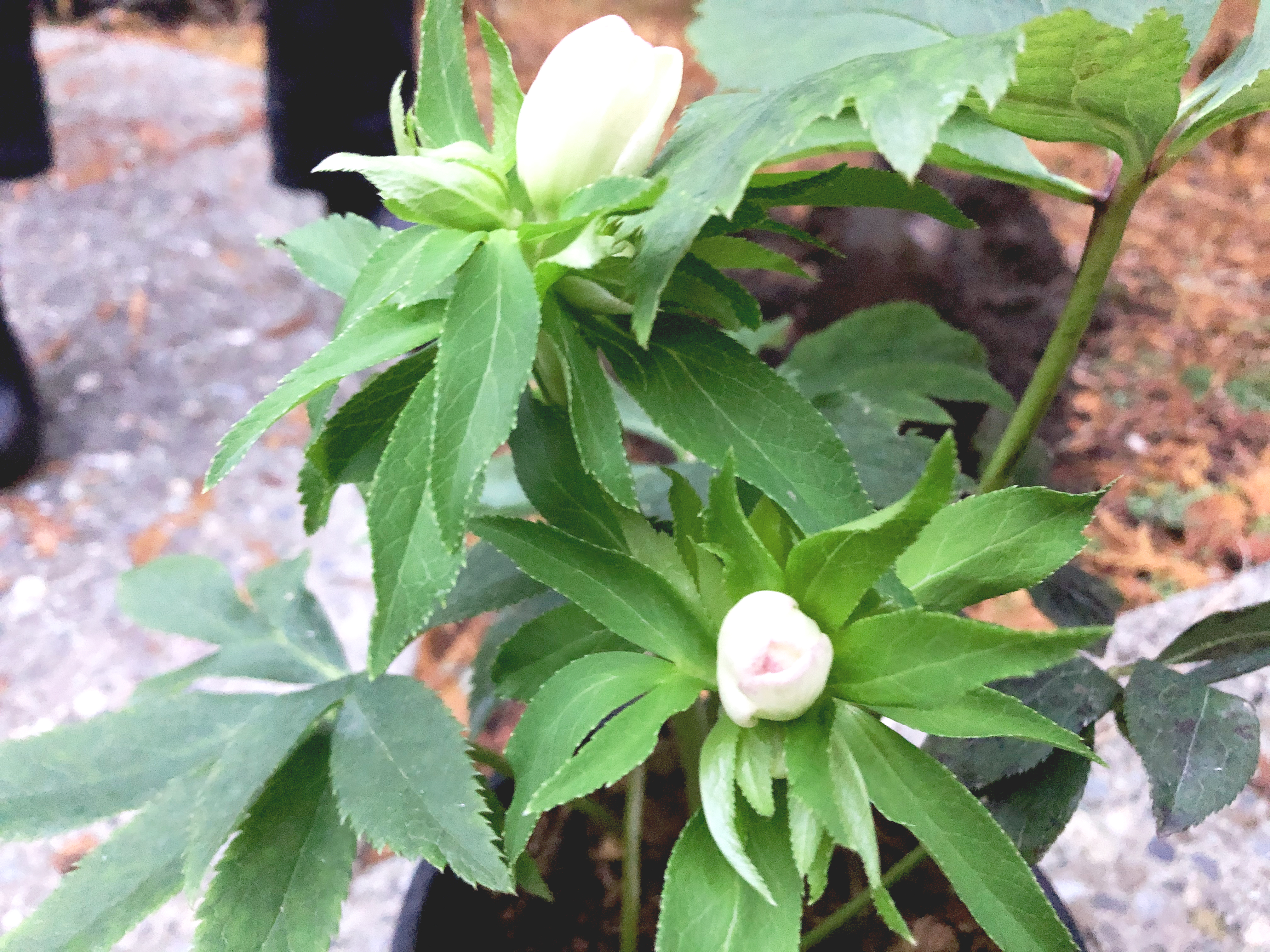
Planting what we have brought with us from previous places, like a pot of fever few, a twiggy mint plant and some new birthday hellebores.
Organizing our garden bench
Pulling the weeds, getting rid of the ground cover we hate, mulching and preparing the dirt for planting.
Deciding on our seeds and garden design
Using a sick day to organize seed packets.
I’ve been thinking a lot lately about how planting things is a bit like telling someone you like them: you’re putting something out there that might get dug up and eaten by a bird. It might just stay there, not doing anything at all but eventually molding back into the earth.
But it might grow, slowly reaching out of the depths of the earth into the spring sun, getting taller and taller and finally blooming into something sweet and beautiful.
I wasn’t originally going to blog about this day of our trip, because I didn’t take very many photos and the most memorable part of it for me was when my GPS took us on themost round-about journey, through one-way streets next to groups of galloping cows and under tunnels not meant for cars. The day felt too crazy to sum up easily.
But the D-Day beaches are a part of Normandy’s history that also intersects with America’s history, and even our own family’s history–though my grandpa was stationed in North Africa (I think) and not Normandy. Growing up, I assumed he was in Normandy, I’m not sure why, so it still feels connected somehow. In fact, most of the world’s history was impacted by these beaches, which now stand empty, calm and, on the day we were there, bitterly cold.
Omaha Beach
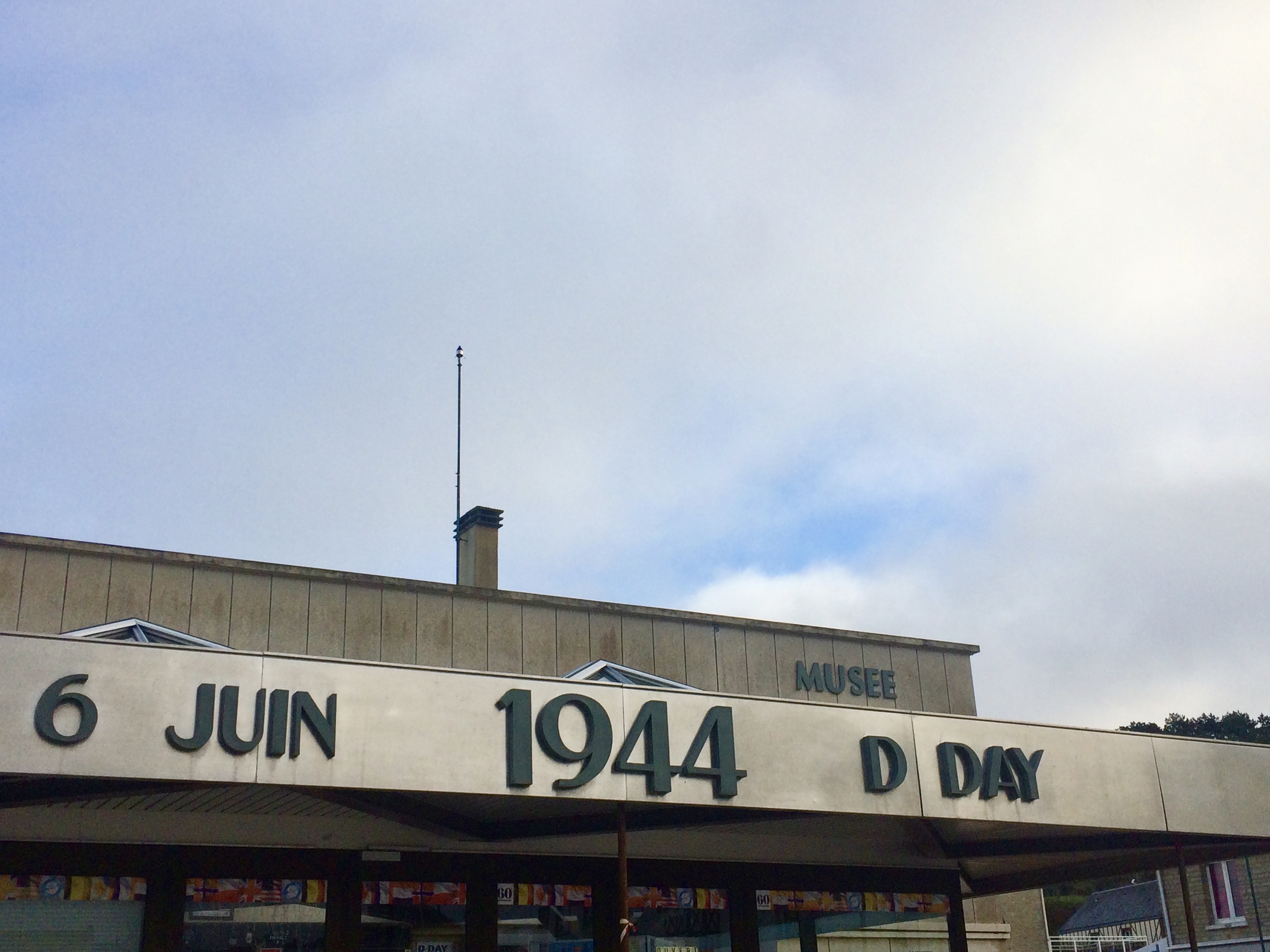
With the help of our Good Friend Rick Steves and his handy map, my family and I began our D-Day discovery in Arromanches, where we watched a tear-jerker movie featuring a tiny kitten amongst the rubble of torn-down Normandy villages. It set the mood.
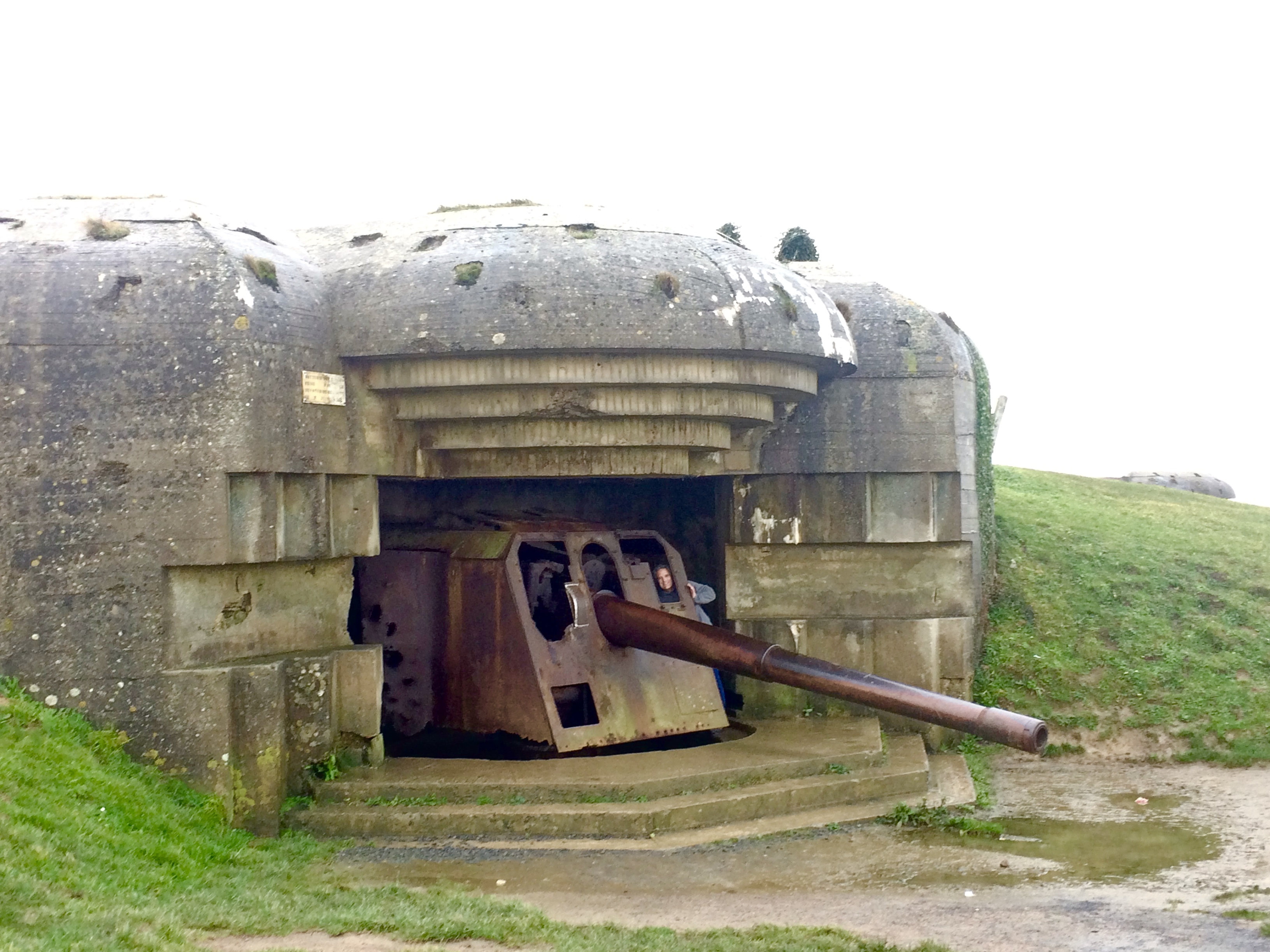
We then hunted down some remaining German artilleries, which looked like they were straight out of Doctor Who and made a stark contrast against the stunning green of the peaceful (and empty, thanks to our off-season traveling) Normandy countryside. It occurred to me that the Germans were there for such a long time, they were able to build such structurally sound artilleries and bunkers that today we can still walk around in them. We peeked our heads through the lookout holes, trying to feel how it felt.
German artillery thingy.Dad’s head for scale.
From there, we took in the quiet solitude of the American Cemetery, before going to the German Cemetery and noticing the differences between the two.
My dad is a huge history nerd (but does not realize it) and in the car on the way to the beaches he talked us all into listening to a book on tape he had from the library about D-Day. One part mentioned how Hemingway was there, something I had not known. I don’t know why, but I like thinking about Hemingway being places.
“No one remembers the date of the Battle of Shiloh. But the day we took Fox Green beach was the sixth of June, and the wind was blowing hard out of the northwest,” Hemingway wrote in a piece called Voyage to Victory.“As we moved in toward land in the gray early light, the 36-foot coffin-shaped steel boats took solid green sheet of water that fell on the helmeted heads of the troops packed shoulder to shoulder in the stiff, awkward, uncomfortable, lonely companionship of men going to a battle.”
I tried to imagine it while standing on the orange sand, but couldn’t. I also poked around a bit, as one naturally would, hoping to find a scrap of metal or cloth or something. Like maybe a skull and crossbones to prove that hundreds had actually died there. All I came up with was sea shells. They’re just beaches.
The lack of evidence in the sand reminded me that I, too, grew up in a time of war, became of age while my country was financing destruction overseas. It feels as abstract to me as how the sea of white crosses in the cemetery look, after you’ve stared at them for too long.
“Go home. Put your best record on. Loud as it’ll play. And with every note, you remember: That’s something the darkness couldn’t take from you.”
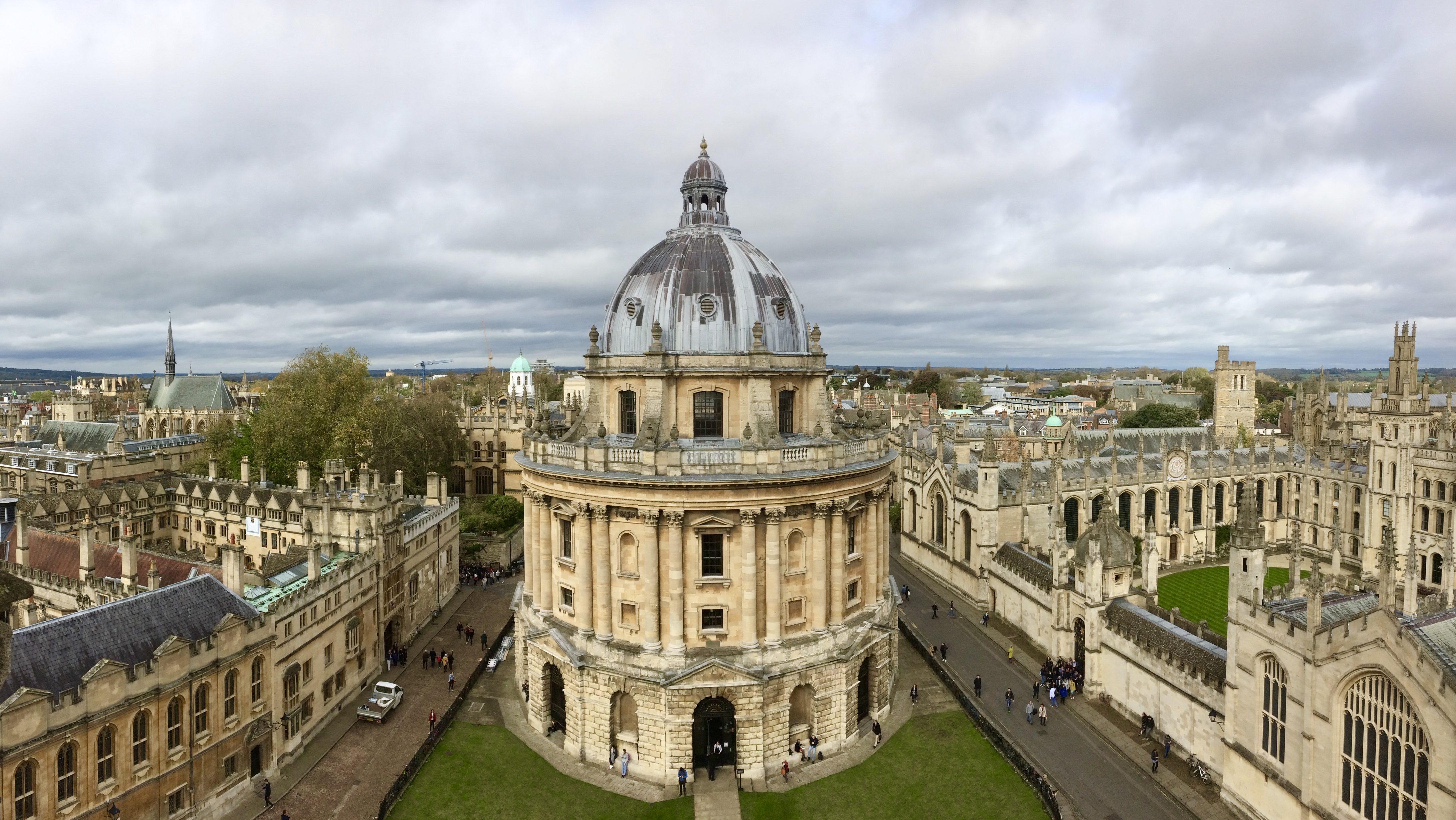
— Detective Fred Thursday to Endeavour Morse while the sun sets against the background of the Oxford skyline. (And also me, to myself while reenacting the scene on the tower of the St. Mary’s church in Oxford last week.)
I think Oxford would make an amazing setting for a post apocalyptic movie. Some of the old buildings seem like they’re just waiting to become ruins. Trees growing through their windows, the occasional zombie hidden behind a falling down wall. There’s just something unrealistic about Oxford.
Endeavour Season One, Episode One
It’s probable that the reason I feel this way is because my favorite TV show is set in Oxford, and therefore I feel as if it’s a town that was made to be a backdrop. As I walked around, I felt like I already knew where I was.
From inside the room where the Gryffindors learn to dance for the Yule Ball in the fourth movie.
And then there were actual real life college students there, which honestly threw me for a loop even though it shouldn’t have. Studying in the library. Getting lunch at the cheap sandwich shop. Wearing their college sweatshirts and nearly running me over on their bikes. I went to college in New York City, so it was almost impossible for me to imagine what it must be like to be a college student at Oxford. So small, so scenic, so many important historical figures.
The sun broke through the clouds for a moment.Did not see any dead bodies. Did see people rowing boats, though.
As I took a break after touring the library I decided that maybe I should go to Oxford. I don’t know what I would study or how to get it in, but I feel it is a definite possibility for me. Either that or becoming a police detective.
Like the people who lived in eighteenth century British high society, I believe in the restorative powers of the sea.
I originally thought this was just a me thing. When I first moved to France it was the first time I had ever been in a city that wasn’t a quick drive away from the beach. To combat the claustrophobia I felt being landlocked, I would go sit by the Seine, breathing in the dirty air and listening to the choppy waves hit the brick walls in an effort to calm down.
Now I’m back in France, back in a landlocked town. To be fair, it’s not so far from the sea which is why going to the beach was my first stop once I hit my first two week vacation. (Yeah I know, I literally just started working a few weeks ago. French schools get a two-week fall break and it is the best thing Ever.)
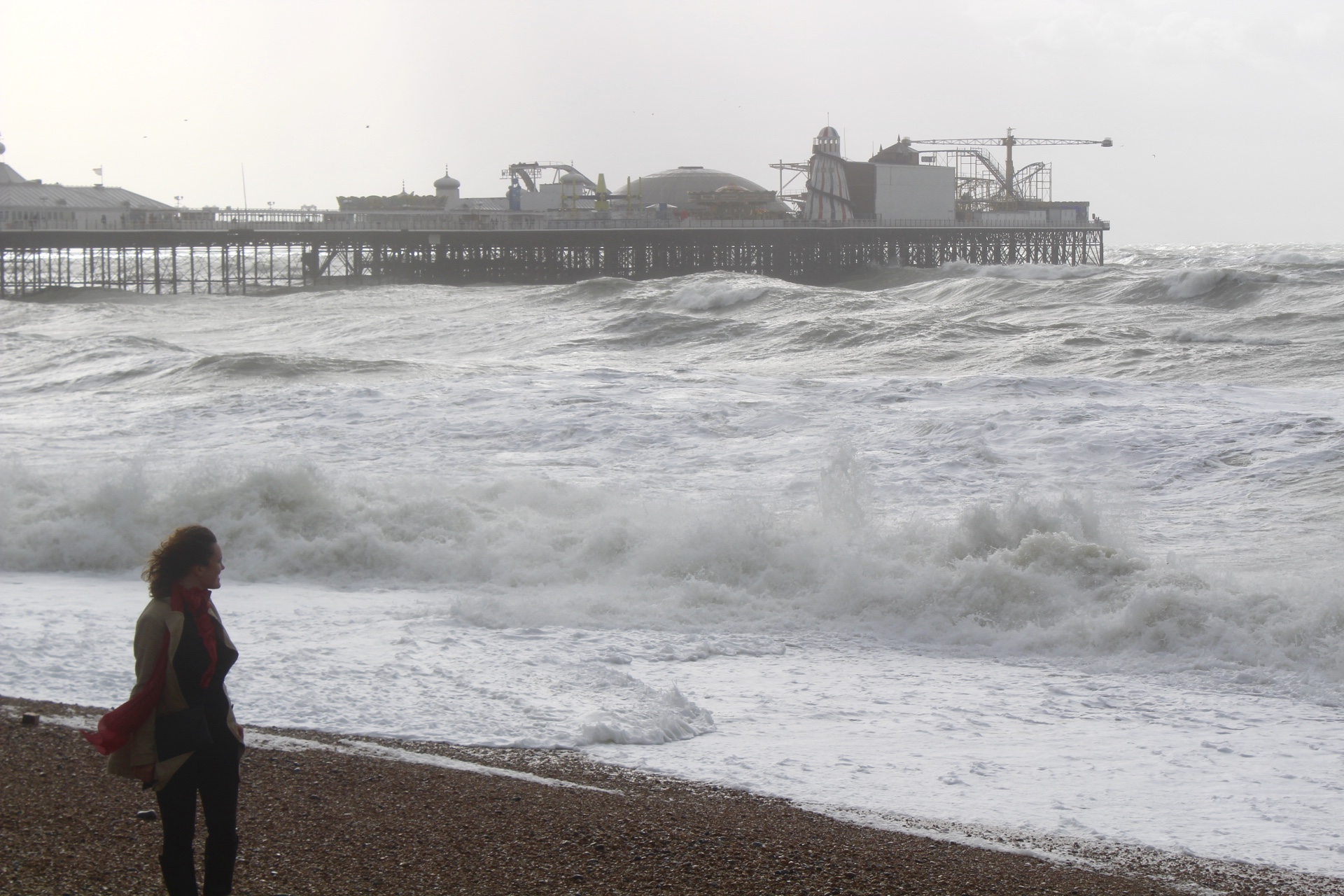
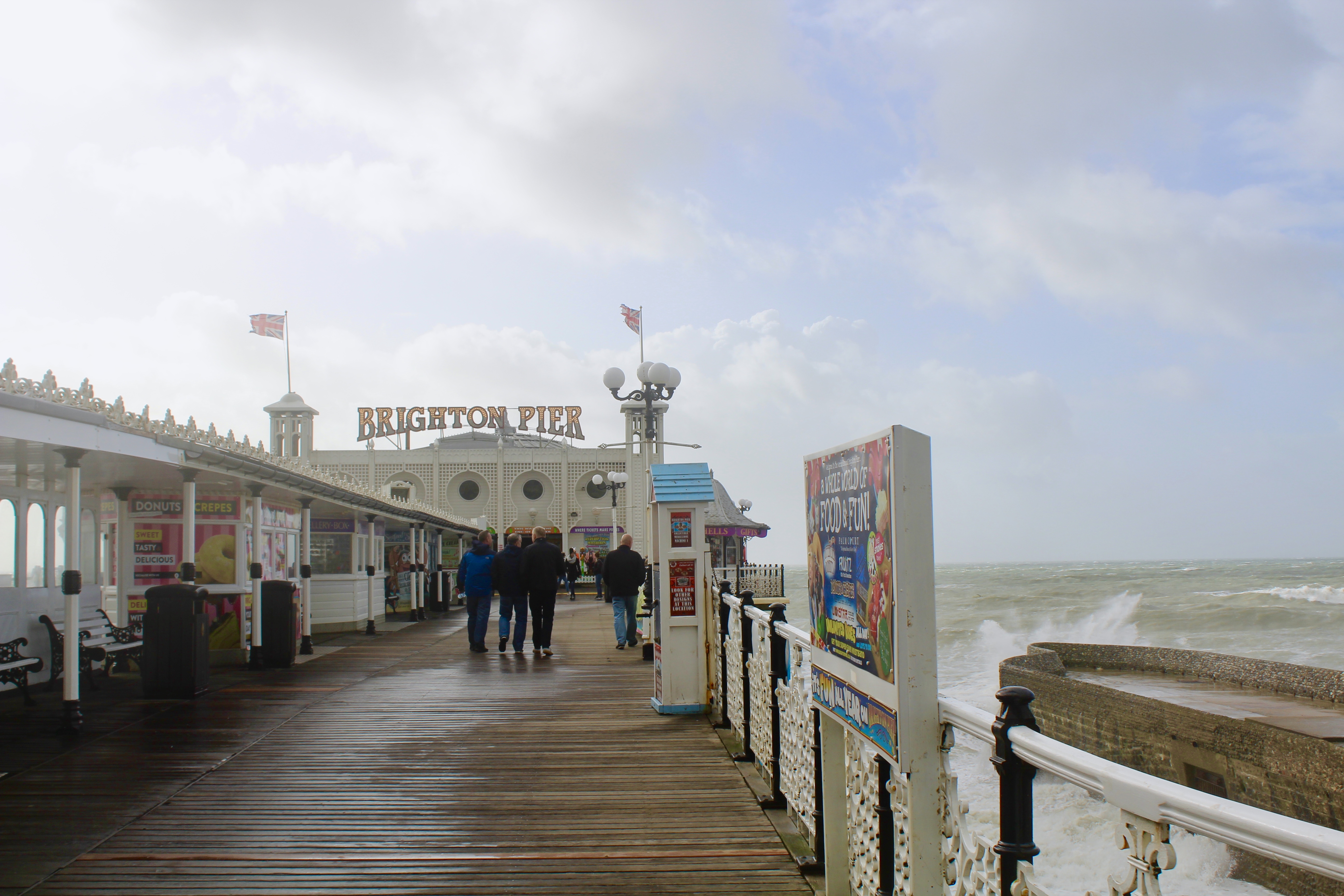
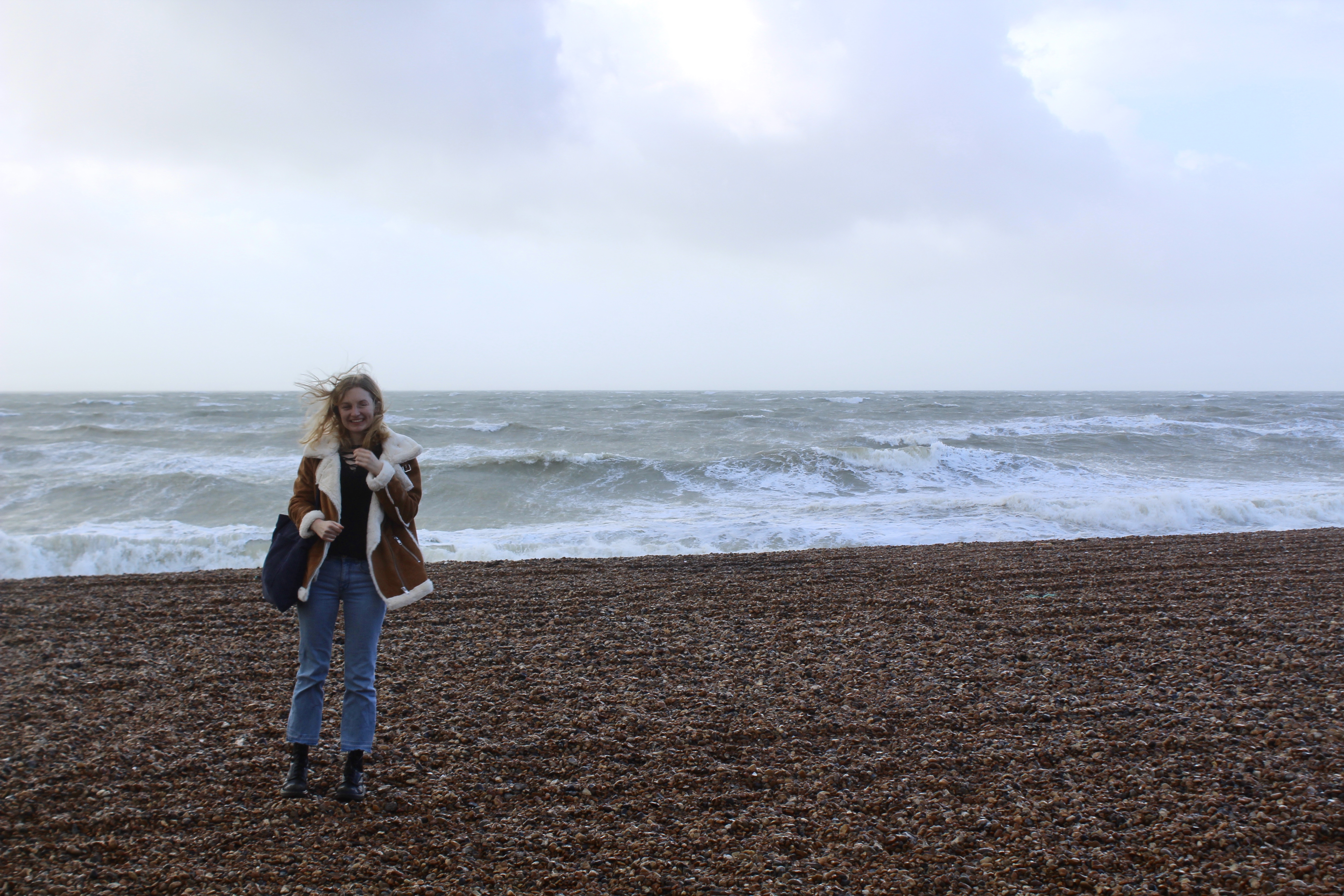
I didn’t go to a French beach however, which is probably sacrilegious to the Normands of my town, but I won’t tell if you don’t. Instead, I headed to London to visit my friend Jenna and we went to Brighton together.
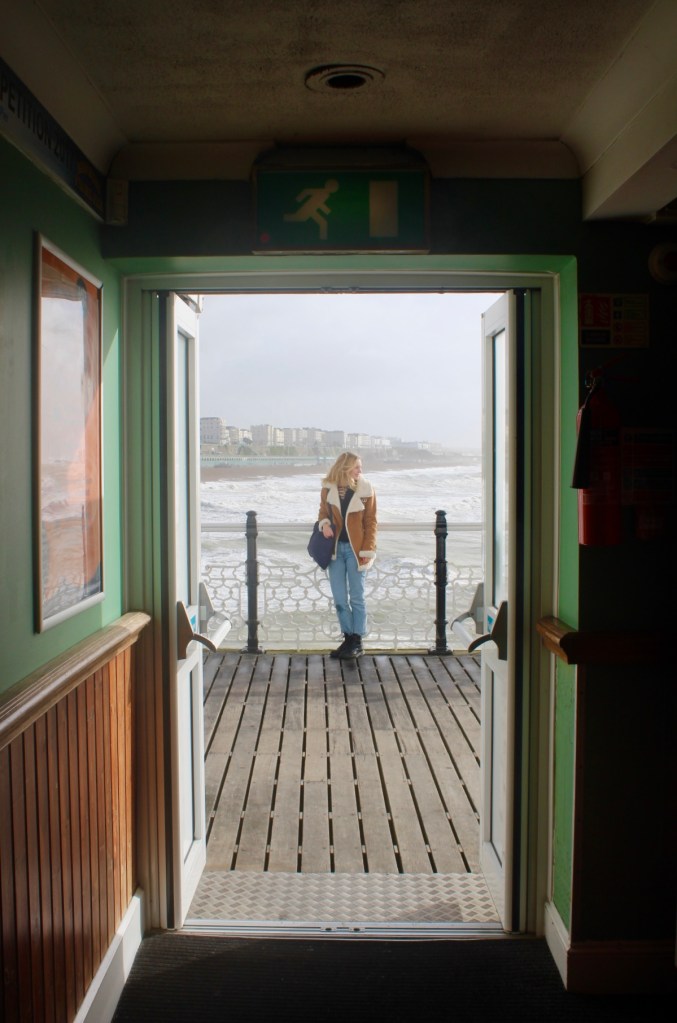
The weather was a crazy mix of extreme wind, sunny spots and occasional rainstorms.Ocean child
Jenna grew up near the ocean, too, and when she told me that she never feels as relaxed as she does when she’s by the sea, I felt like we were two eighteenth century British ladies, diagnosed to go live by the ocean to improve their health.
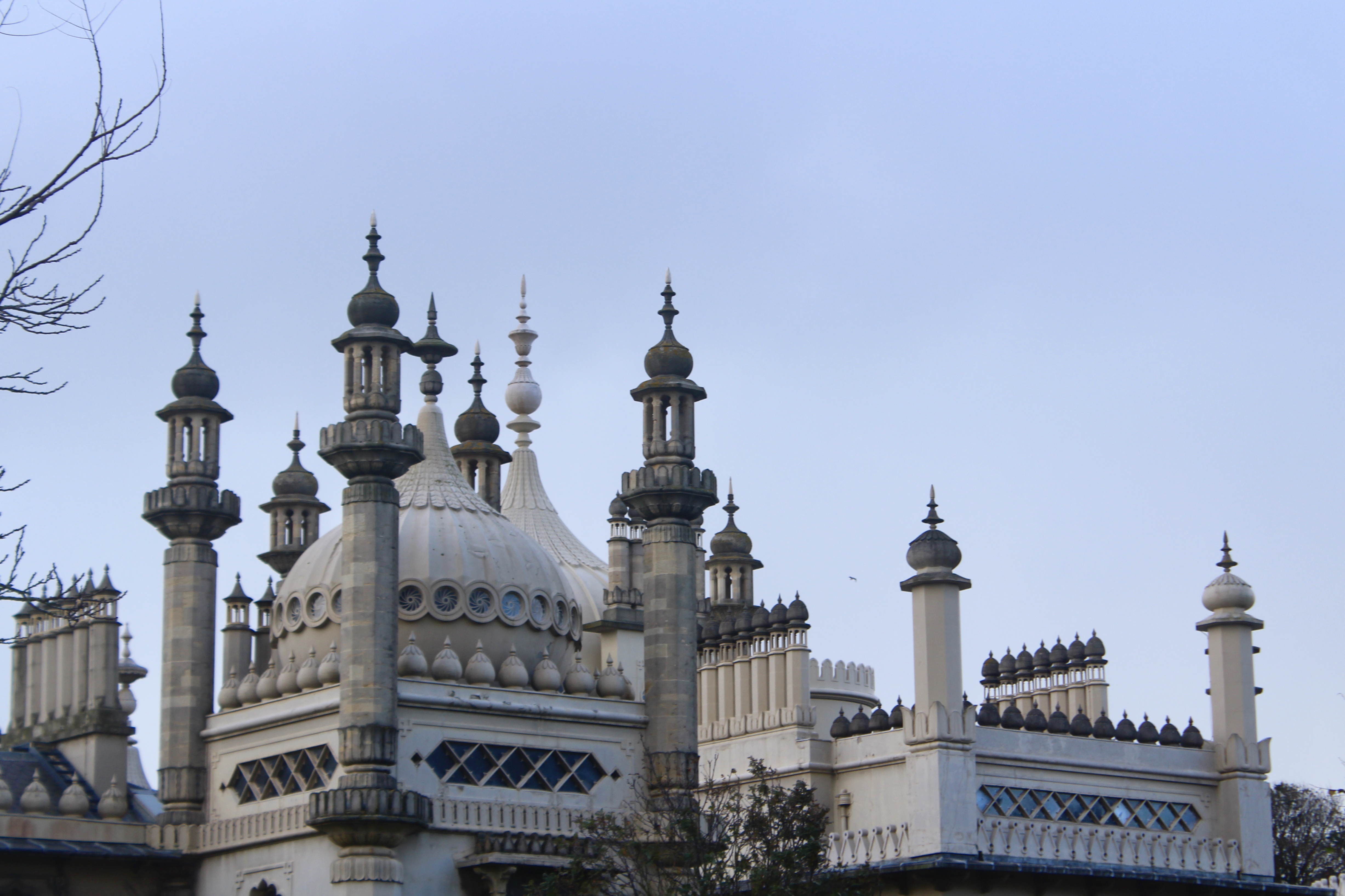
The Royal PavilionInspo, after going to the Brighton University’s print and design festival.
We only spent one day by the sea, but I did feel like it helped. Or maybe it was just the company, that comfort of being near a friend who’s going through something similar to you: living in those weird months after graduation, working your way through a new job, a new home, a new life.
October snuck up on me because one second I was in Summer Mode, riding motorcycles, eating junk food, going camping and playing with cats all day long and then… leaves were falling off trees that were lined up against the remains of a castle in a small town in Normandy.
Which is where I live now.
View from my window is mostly sky. I love it.
Alençon, located in the southern part of Normandy—maybe an hour and a half by train from Paris and an an hour from Caen—is a small town but not so small that there’s only one street light (lookin’ at you Coupeville!!).
The leaves are falling! Where’s my PSL?? Oh yeah no Starbs here.
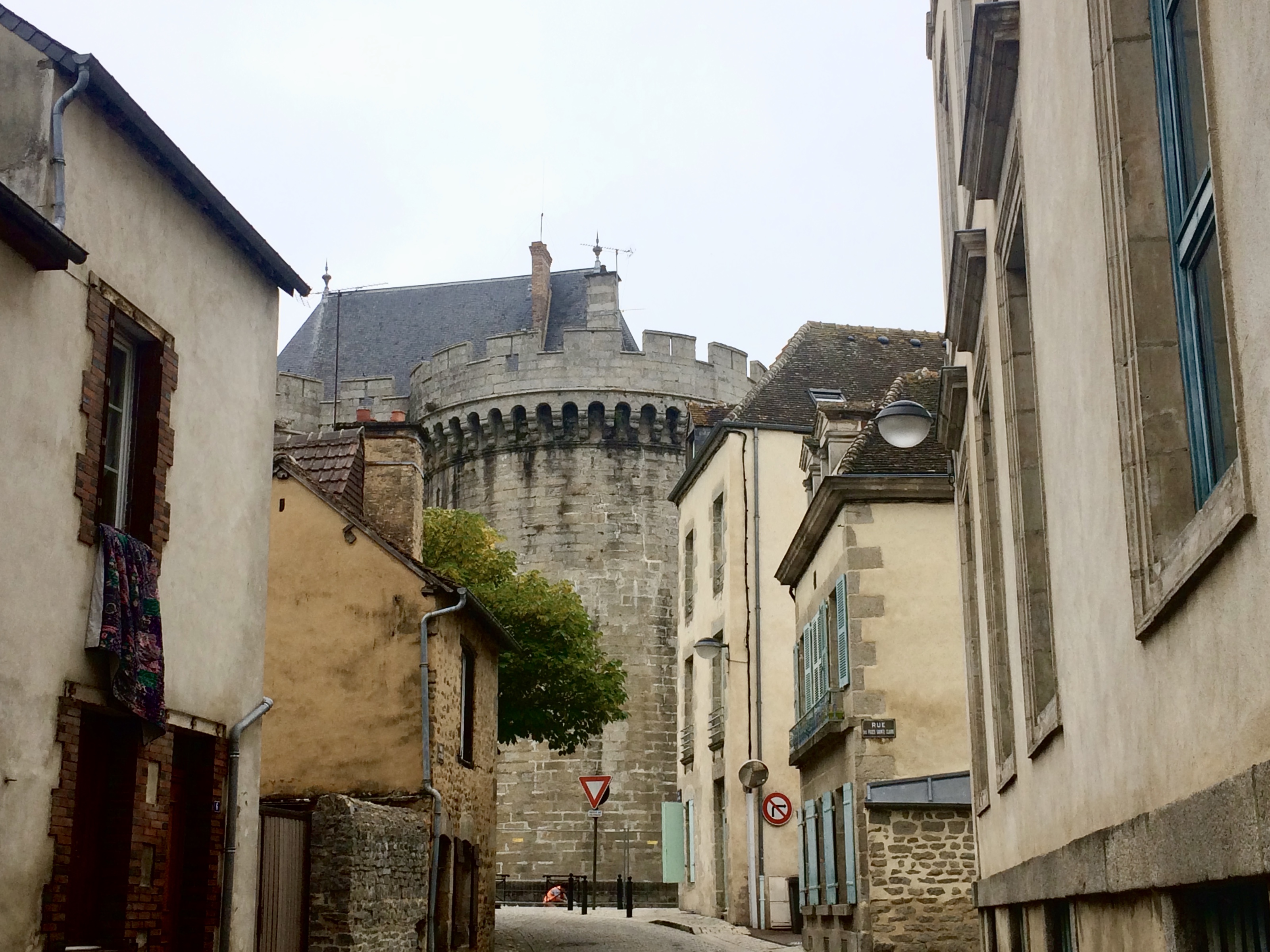
On my first full day here, Nicolas, one of the English professors at Lycée Alain where I live and work, took me on a tour and said something along the lines of: “Coming from America, some of these buildings probably look pretty old to you.”
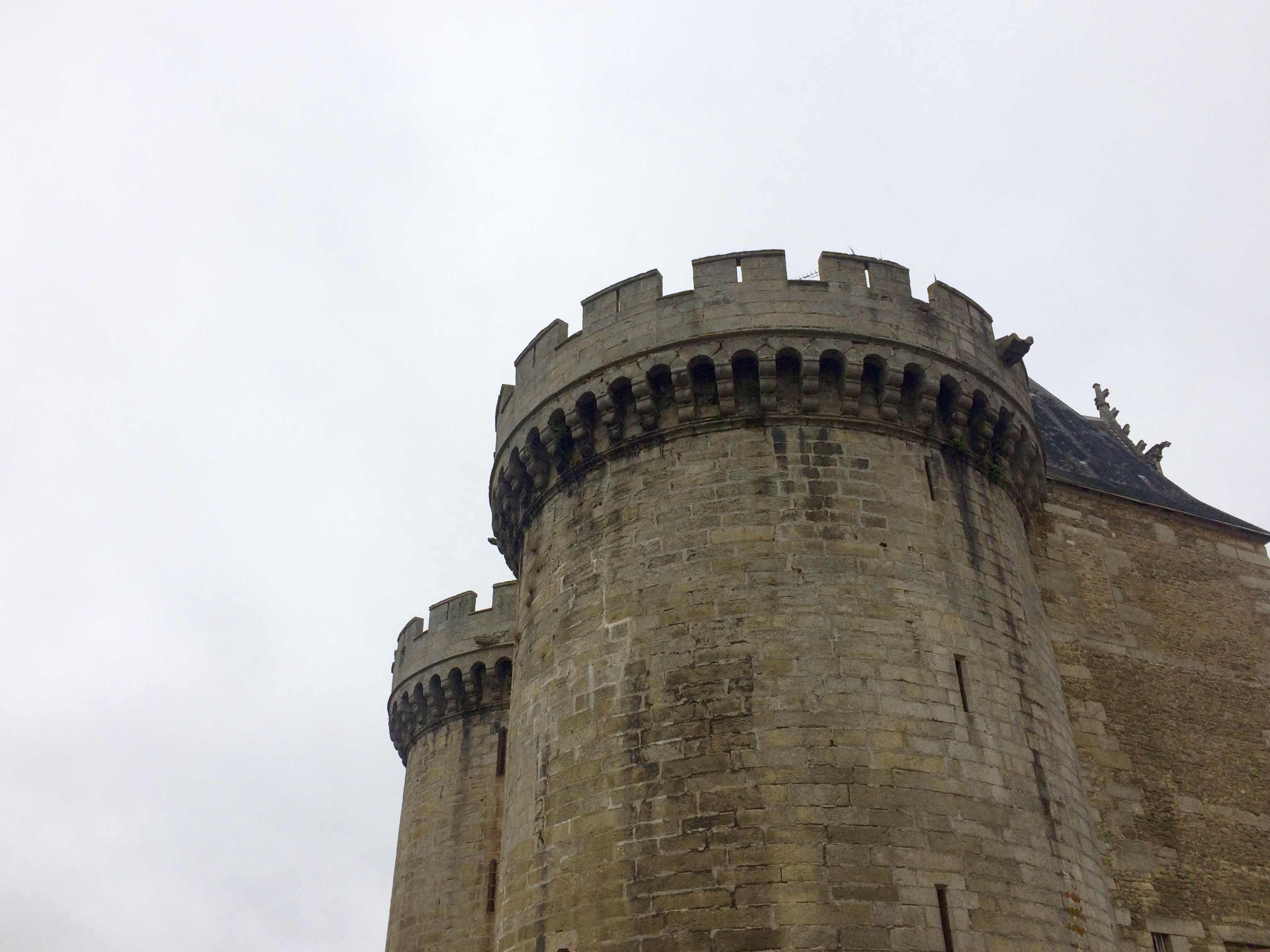
I didn’t let him know that in my head I was reenacting a scene from Camelot because we were standing at the foot of what used to be an actual castle.
“Yeah,” I said back instead.
Walk through the small streets until you reach the castle.There she is.
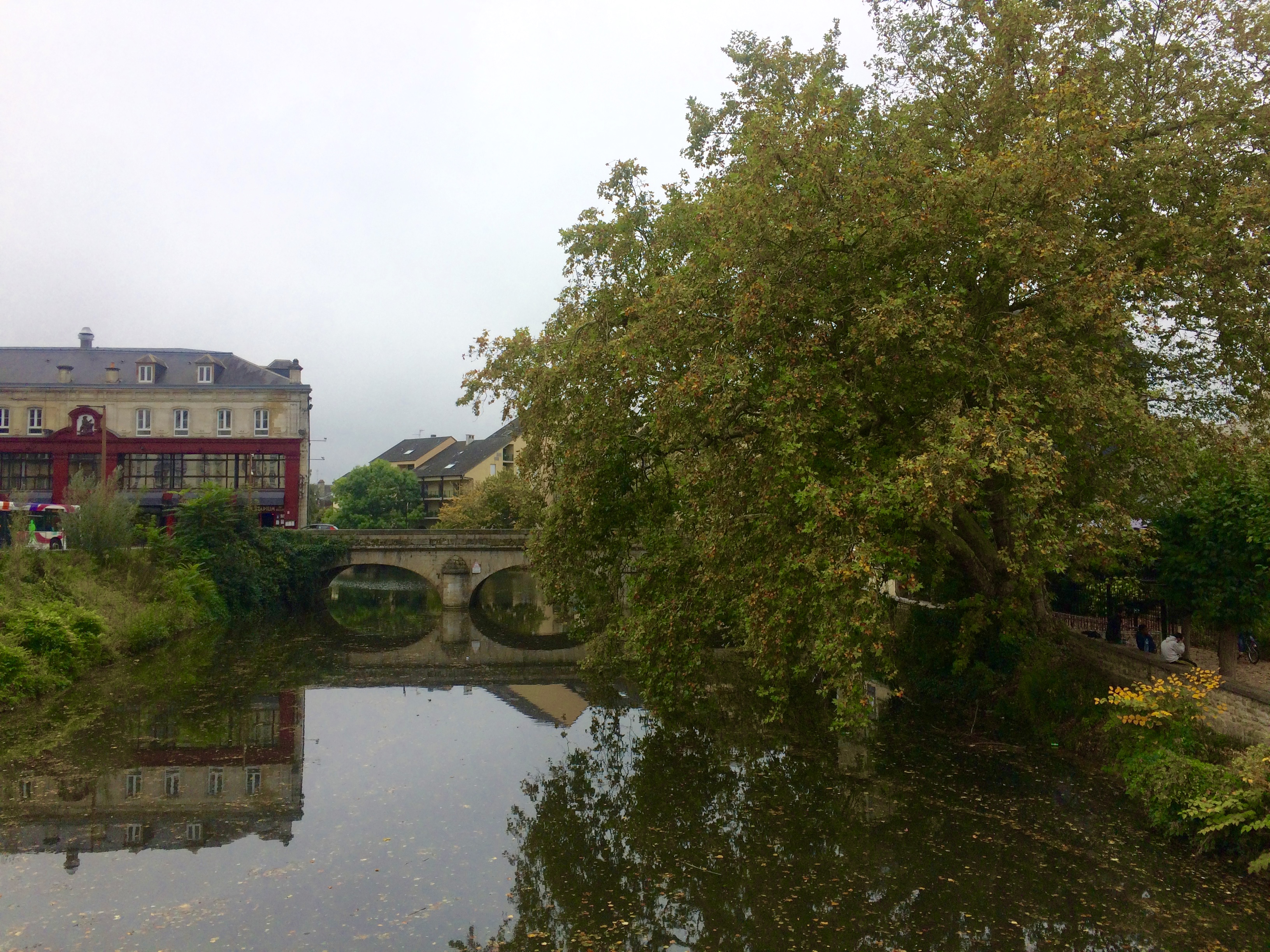
Already I feel the spirit of Normandy. The sky is almost always cloudy. The rain is a mist, or a steady drizzle through the night. (As of yet unconfirmed if it rains more here or in Seattle. But to say I’m prepared for this weather is an understatement).
The rain keeps it green.
There’s also a feeling of strength that I sense coming from the people who live here, whether it’s because they have worked the surrounding farmland for centuries, or because they’ve dealt with the rain, or because they eat tripe and enjoy it.
Or perhaps it comes from Guillaume Le Conquérant aka William the Conqueror. An illegitimate child who faced murder plots and anarchy as a young duke but grew up to successfully conquer England. Maybe it’s a bit of rebelliousness. Or an unwillingness to take anything sitting down.
Looking for Guillaume.In Caen.
Guillaume’s grave and a street cat I named Guillaume. He wanted my crepe.
This weekend, I visited Guillaume’s grave at the Abbey of Saint-Étienne in Caen—just an hour train ride from Alençon. I’m hoping that I gathered a bit of Guillaume’s spirit while I was there because I have my first English classes tomorrow and feel like I’m going to need it.
I’ve recently had a Pinterest reawakening. Yes, you do have to sift through thousands of truly horrible recipes for things like 5-minute blender enchilada sauce or various low fat salad dressings, but buried beneath all that are endless links to lifestyle blogs that always have a neat DIY that will help you forget about everything that’s going wrong in your life and instead create a really great Instagram projection of how Everything Is Pretty Great.
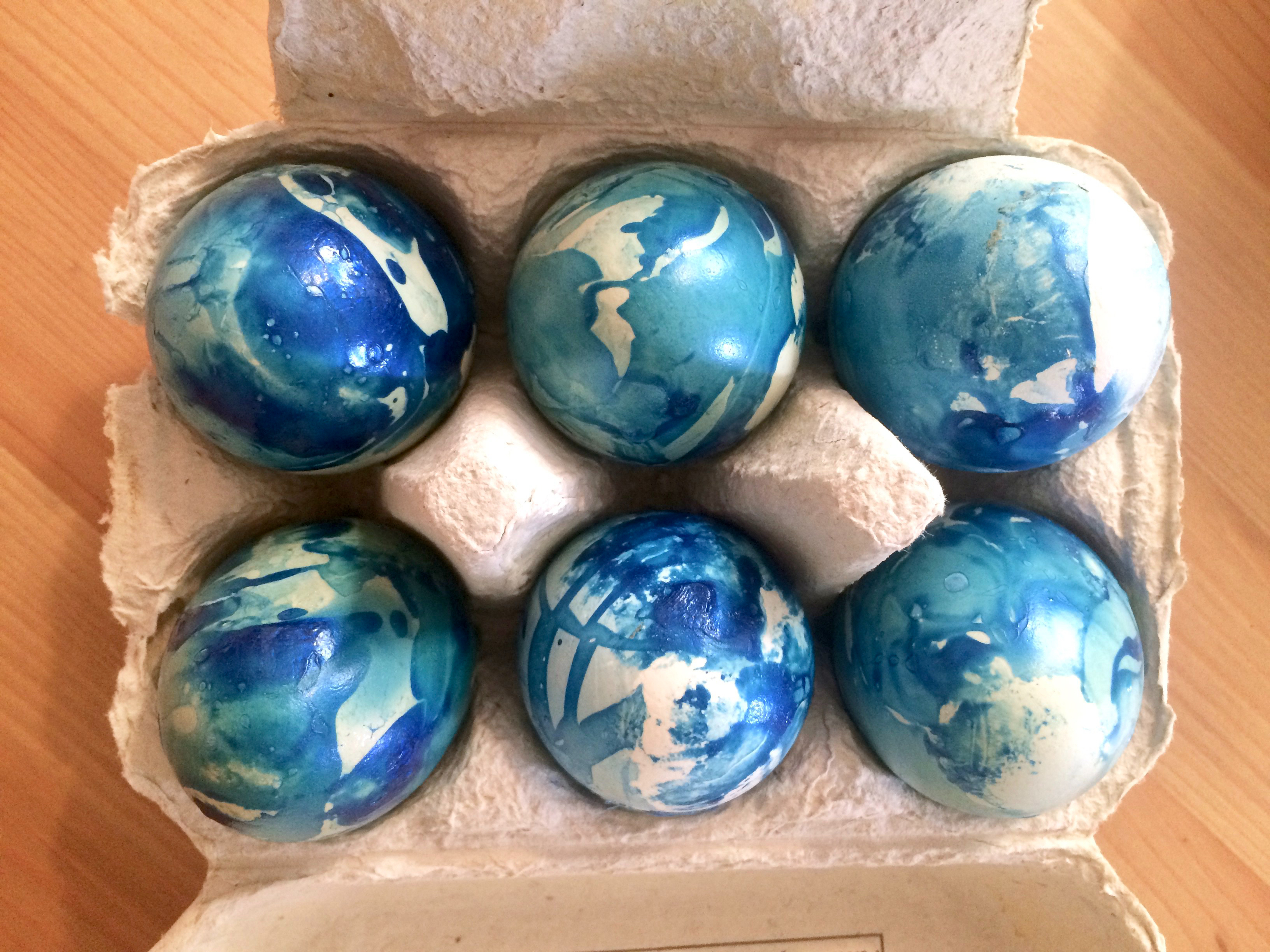
Anyway, to satisfy my DIY craving and my love for Easter I tried making these marble indigo dyed eggs which were fun because they still look cool even if they’re not totally perfect like the lifestyle bloggers make them.
They’re really easy, too, and actually way less time consuming then the old vinegar water and food coloring dye-technique. Put some drops of blue nail polish in a (disposable) bowl of water, dip the egg in, and you’ve got yourself a Possibly Toxic Marbled Egg.
I got these Special blue health eggs from the health food store, which added to the blueness of my Indigo eggs. They were so pretty on their own I considered not even dyeing them at all.
I know nail polish is toxic, but I was trusting that the egg shell would protect the egg inside from becoming contaminated. Anyway I ate a few of them and haven’t died yet.
My next endeavor was a Danish Raspberry Pastry Braid, which was really fun to make. The dough had a lot of rolling and folding, which made me feel like I was on the Great British Baking Show. It was perfect for an Easter brunch, so I squeezed some fresh orange juice, cut up some fruit and shared with Judy & Noah.
And now? There’s DŌ, a tiny shop located just a block south of Washington Square Park (where I go to school) that sells cookie dough like it’s ice cream.
People are crazy about it.
Here’s what happens with all food phenomenons (in my estimation):
First, someone thinks, “I really like eating cookie dough. What if I had a shop that sells cookie dough? People would love it!” This happens a lot in New York City, a place where innovation plus wealth plus gentrification equals a new cafe every two feet.
So the cafe opens up. The cronuts are fried. The rainbow bagels rolled. The cookie dough scooped.
Now this next part is vital:Along comes Buzzfeed to write an article about New York City’s latest amazingly cool and delicious and Instagram-worthy food trend. This story gets picked up by all the thousands of other trendy news sites. Soon, its not even 9 am and you’ve already seen three separate short videos about Dō on Facebook. Technology is amazing.
Another important aspect of this phenomenon is that on any given day there are about 3 million people in New York City. If you’ve seen three videos about Dō in the last two hours scrolling through your feed, then chances are high that the other 3 million people have too.
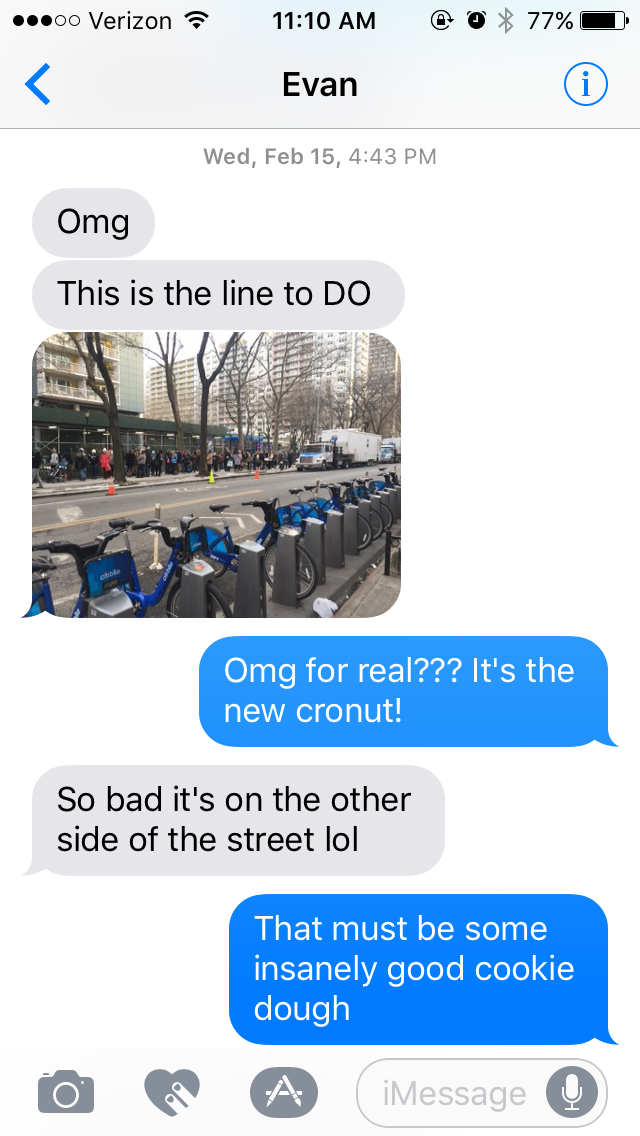
After I got back from winter break, my cousin Evan (who moved to Brooklyn in November) and I got together for brunch at our fave spot in Astoria. We’re catching up, eating pancakes and he mentions this place called Dō. I’m like, “sounds cool we should go sometime!”
But probably at the very same moment that I said that, literally everyone else in New York was having the exact same conversation. Because the shortest the line gets for Dō (according to the bouncer I chatted with outside the shop one day) is a 45 minute wait. Normally, it’s three hours long.
People still wait. Without even knowing if the cookie dough is worth it. And with full knowledge that Target sells edible cookie dough that is probably really similar although way less Instagramable.
Along with having people working inside the shop, Do also has someone working as a kind of bouncer and someone keeping the line in check.
(It should also be noted that while taking stock of the line for Dō, Evan saw his first New York City public fist fight. Tensions are HIGH when it comes to cookie dough!)
But this is why I love this place (sometimes). Trends are tangible here. They come and go so fast, but when something is popular people will wait shamelessly for three hours just for a taste. And sometimes you witness people fighting on the city streets. It never gets boring.
I’ll keep you updated on whether Evan and I ever actually go to Dō.
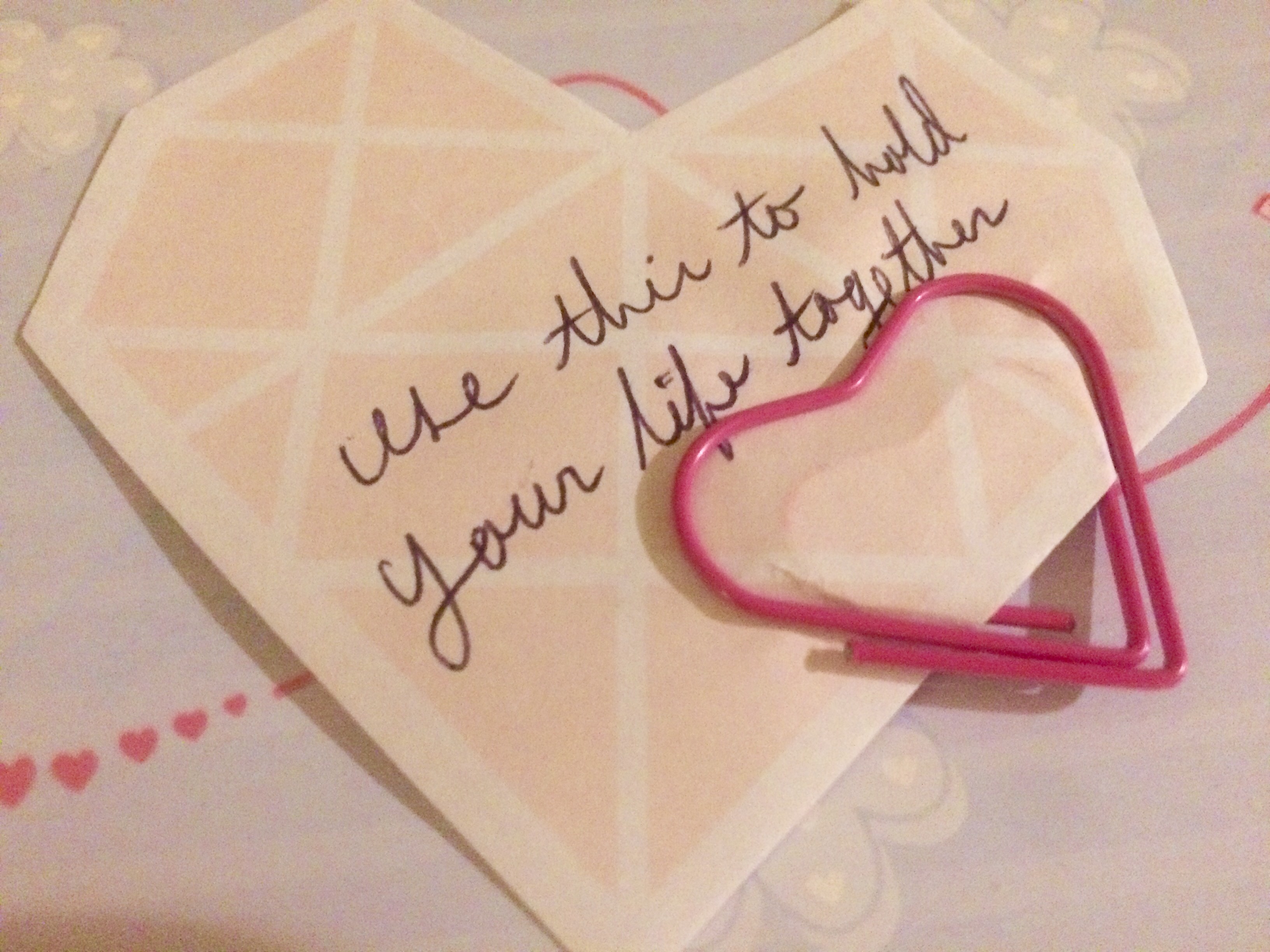
When you receive exactly what you needed in the mail.
Currently my mood is very “Days” by Philip Larkin:
What are days for?
Days are where we live.
They come, they wake us
Time and time over.
They are to be happy in:
Where can we live but days?
Ah, solving that question
Brings the priest and the doctor
In their long coats
Running over the fields
At any given moment you can be 100 percent certain that what’s going on in my head is just the constant recitation of that first line, “What are days for?”
At least it’s not the Mambo No. 5. (Or would that be better?)
2. I love the weather.
Besides that, I’m juggling staying positive with two jobs and school and the nearing end of my undergraduate career. This is helped by things like reading in the bath, notes sent from friends, museums, the color pink, and that hot-vicar-detective show, “Grantchester.”
3. Two displaced cousins have a new ritual: brunch & the museum of the moving image.
4. Working in the flower district
5. Estrogen Empire Strikes Back
Another thing that is keeping me positive is activism: huddles of women all over the world plotting to destroy patriarchy, capitalism, racism, etc. In fact, inspired by a huddle I went to recently I decided to make a list of things anyone can do to help the world in this current moment. Let me know if there’s anything I should add.

























 Lily Haight