Photographs from Port Townsend’s 2019 Wearable Art Show


At 9 a.m. Saturday morning, Bertram Levy, a short, mustachioed sailor wearing the beret he is known to wear got in line at the Northwest Maritime Center to sign up for the annual Shipwrights’ Regatta.
In front of him were two novice sailors — young men from the Northwest School of Wooden Boatbuilding, with zero sailing experience besides a love for woodworking and a desire to get out on the water.
Bertram had raced every year since the thing started 28 years ago. Minutes later the veteran sailor and the two newbies were circled up.
“Meet at the end of the D-dock. My boat is called ‘Able,’” Bertram said.





Anyone who shows up to the Skipper’s meeting gets on a boat in the Port Townsend Shipwrights’ Regatta.
This makes for some interesting crews. Old friends, strangers about to become friends.

But the February race isn’t about winning (for some). It’s more of a race for the locals to beat the person who beat them last year.
It’s also a chance to show off your handiwork. Many of the boats in the race were wooden, the sails and rigging done by local artisans.

On the “Able,” Bertram and his two novices lined up for the race. As the starting horn rang out, the southeast wind blew Bertram’s beret into the water.
No problem. He reached into the sea, and fished it out again.

(Some of these photos and the story of the race winners were published in the Port Townsend Leader.)
By now we’ve all heard of it: that abstract giant mass of garbage, three times the size of France that’s floating out in the middle of the Pacific Ocean. The Garbage Island, or the Great Pacific Garbage Patch. We’re worried about it, collectively, especially when we think of all those cute otters and seals choking on straws and plastic bags.
But out here on the West Coast, especially up north, it’s hard to imagine that much garbage really being in the ocean. Not when the beaches are so beautifully picturesque… so empty and large.

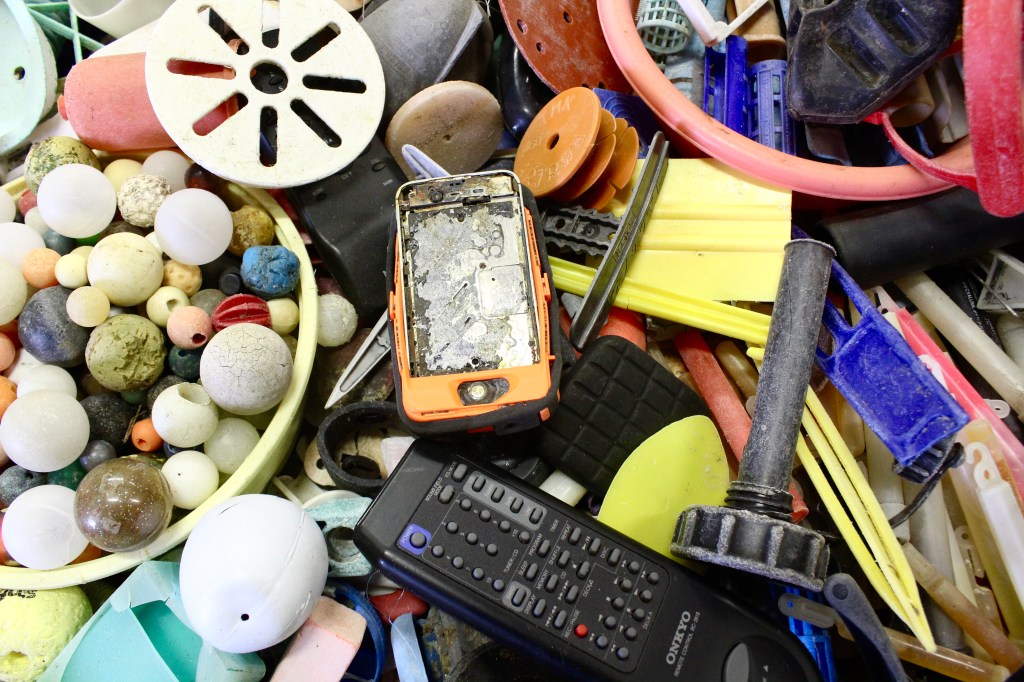
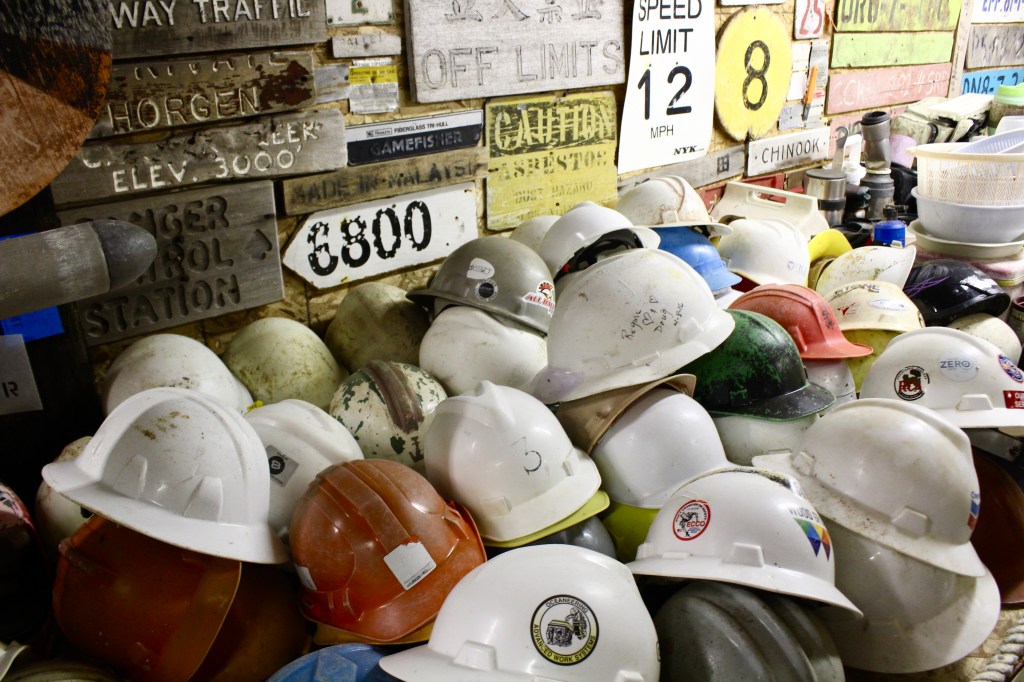
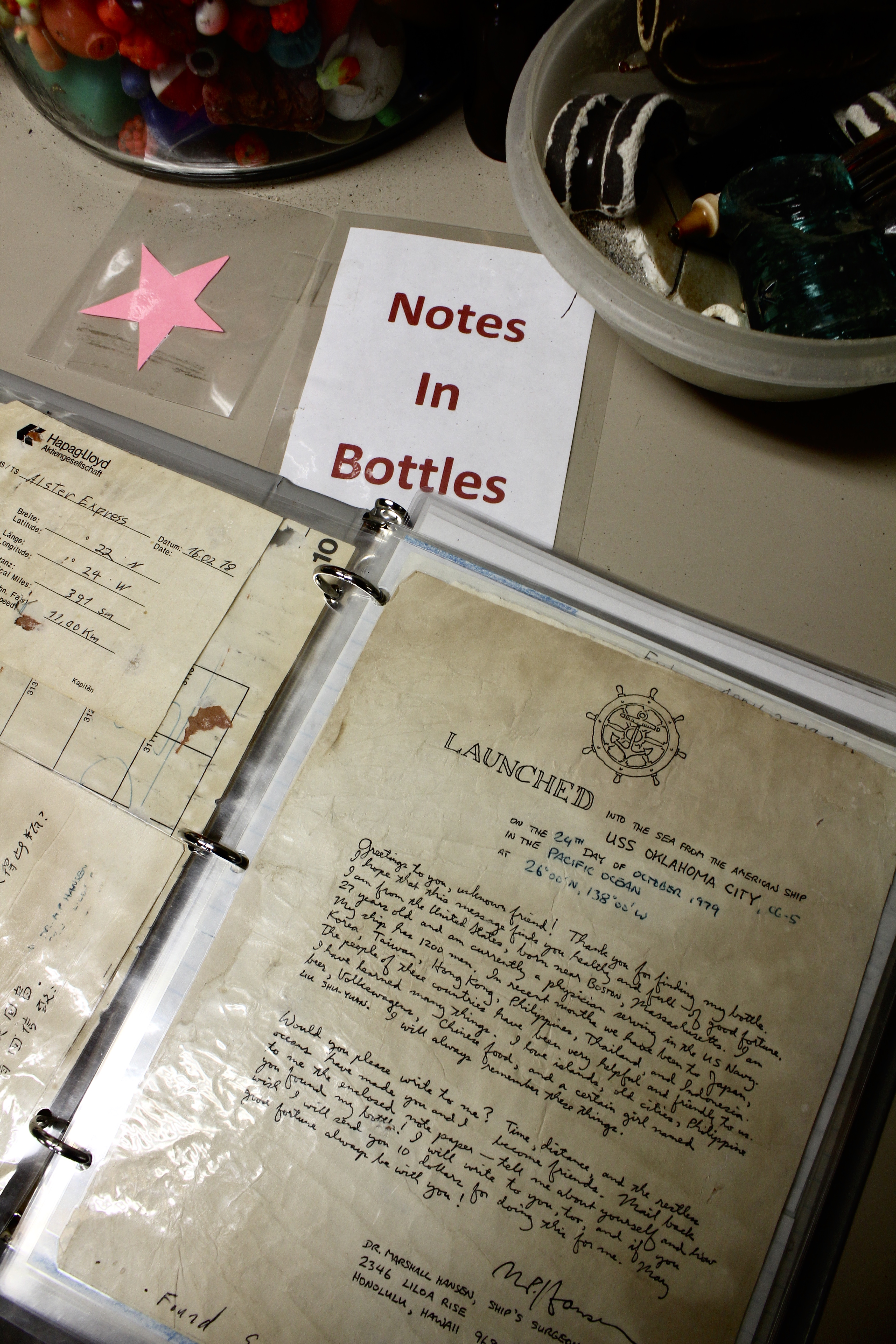
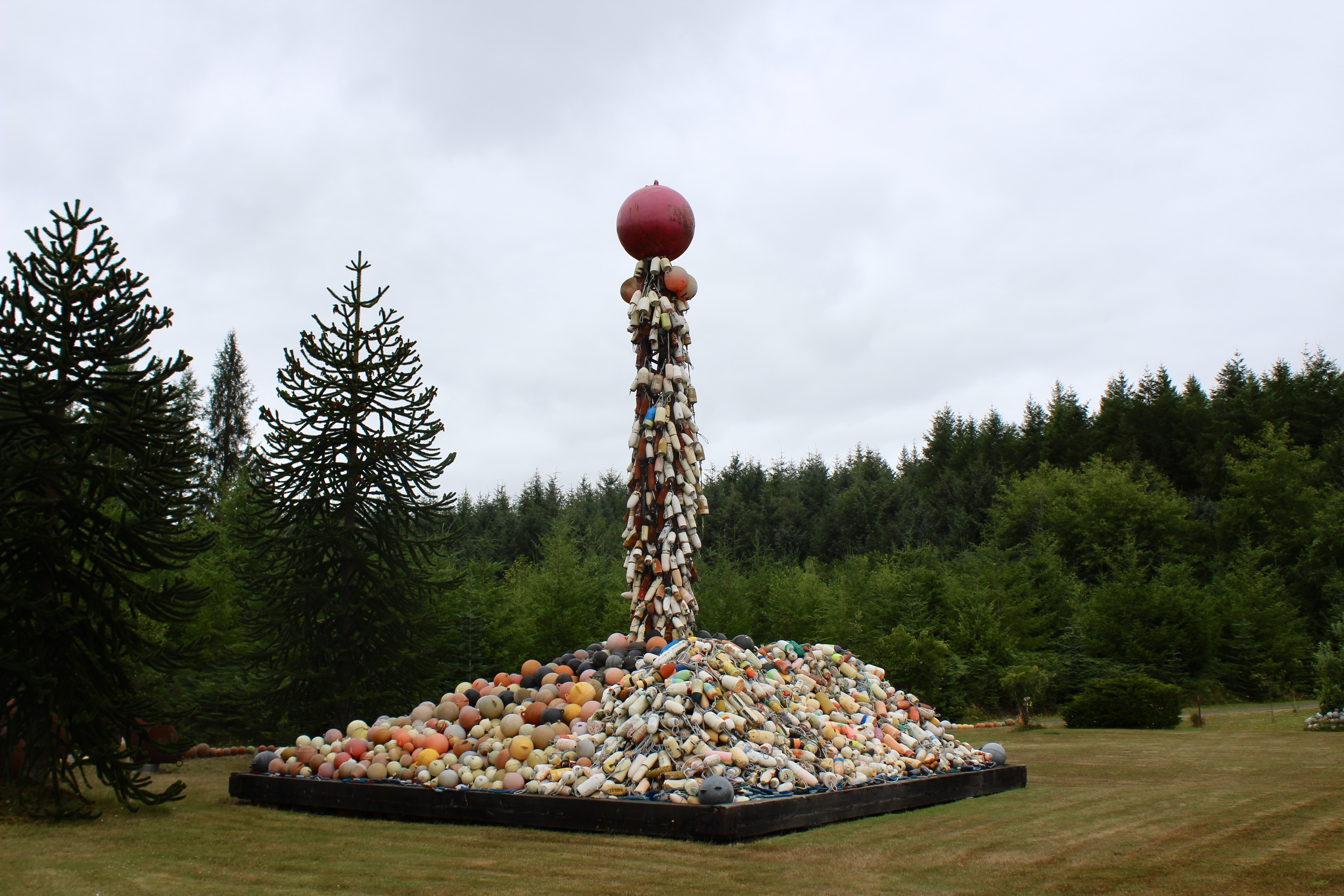
There is one man who probably has no issues imagining all of the garbage floating out there in the ocean. John Anderson lives in Forks, Washington, and no he is not a vampire. He’s a beachcomber. Collecting things from the beach his whole life, little by little, finding messages in bottles, fossils, doll heads, Nikes, and thousands upon thousands of buoys, John has put all of his finds into a treasure-filled museum in his backyard just off the highway in Forks.
 If you were to ask John, what is in the ocean exactly? He would probably answer: a little bit of everything. You never know what you might find.
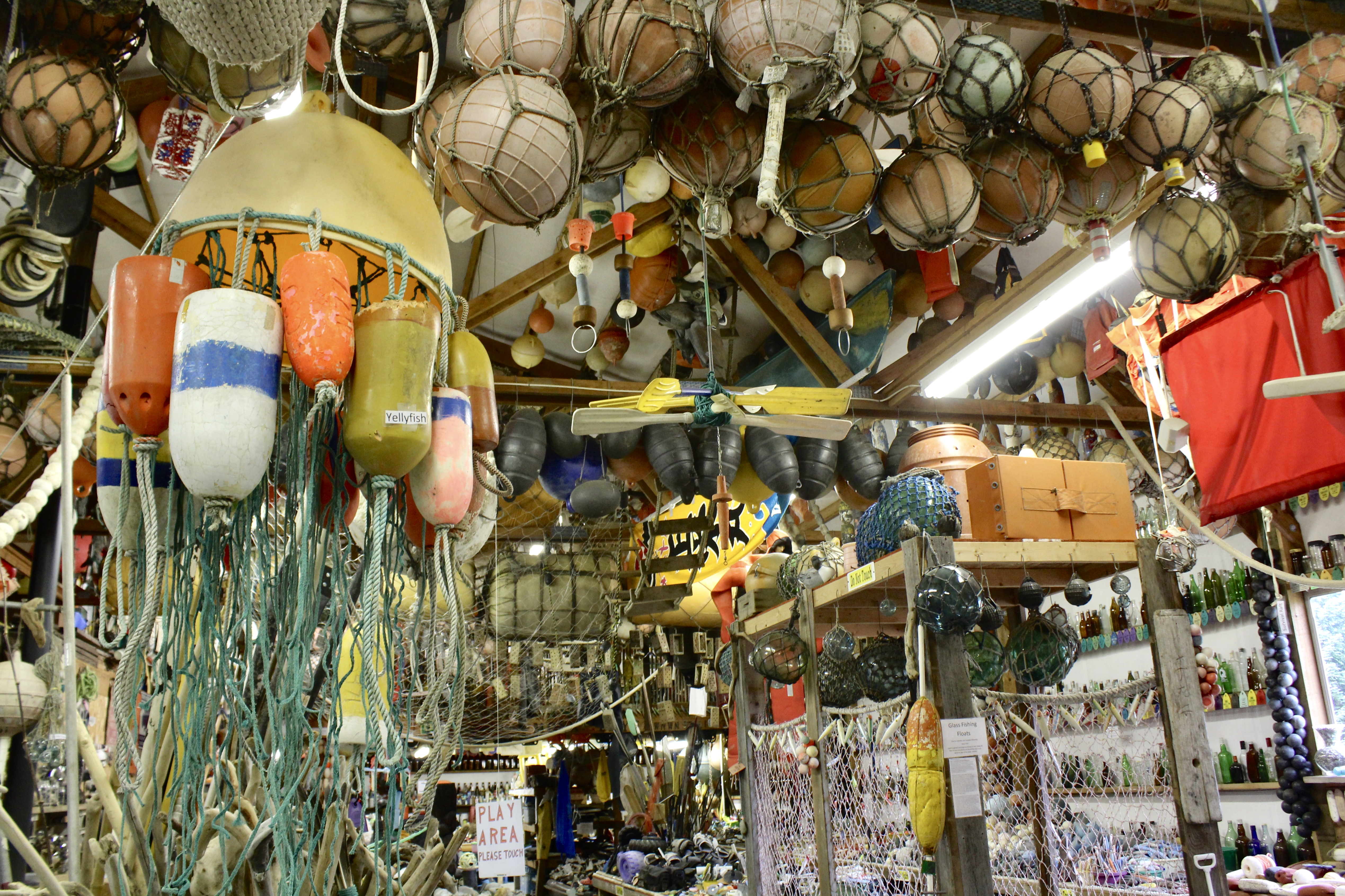
Pay the small $5 entry fee (cash only) for John’s museum and he welcomes you into a world of wonders. Look up and down, he says, and even though he’s a quiet person, he has stories to tell for each item.
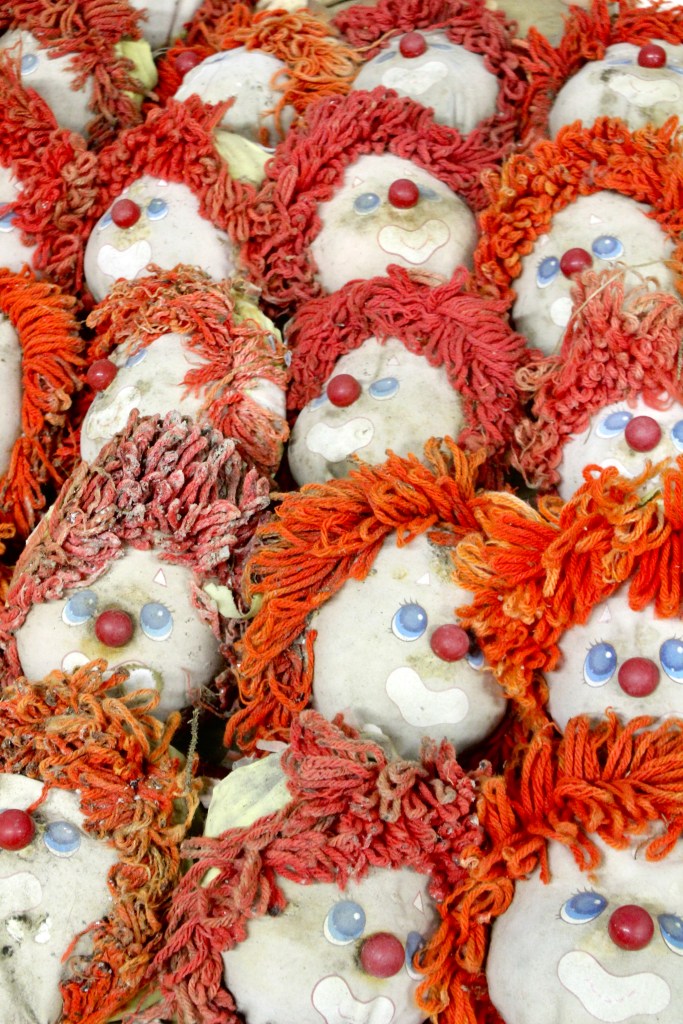

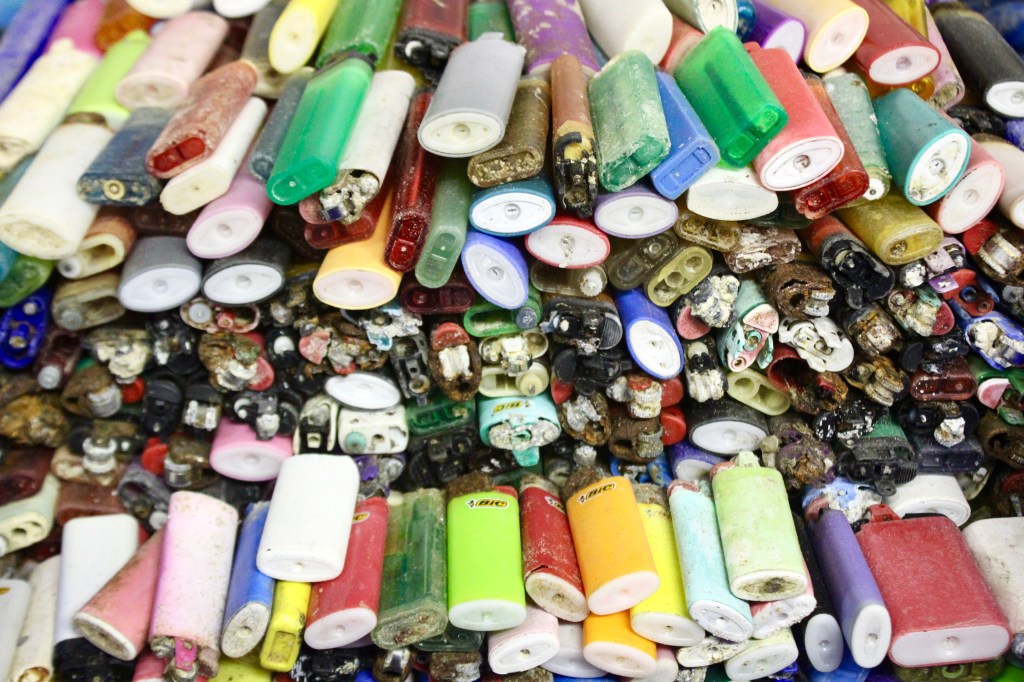
John beachcombs on Pacific Northwest beaches, as well as occasionally taking trips south to the beaches of Texas and Florida. Everything in his museum has been found on the beach, and the variety of things, from whale bones, to mammoth teeth, to hard hats and medical supplies will surprise and captivate you. It’s like taking a dive into the truth of a capitalist world: too much stuff, lost at sea, forgotten forever… until found by John.
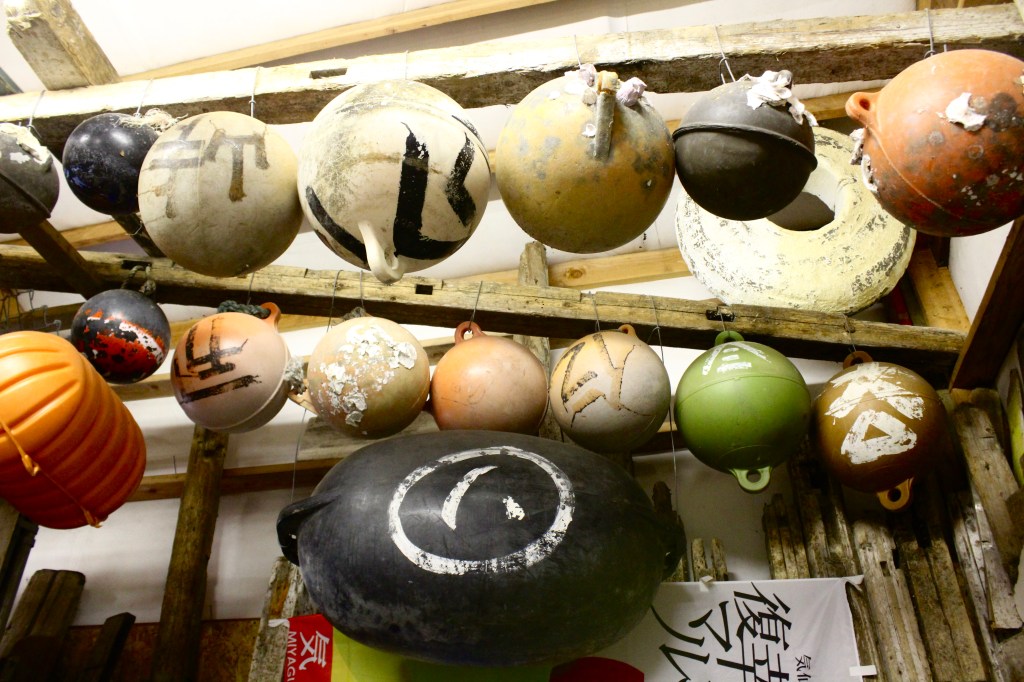



Whether you’re worried about the Great Pacific Garbage Patch or not, whether you use plastic straws or not… the next time you’re in Forks, skip the Twilight walking tour and check out John’s Beachcombing Museum. In my opinion, it’s a necessity.
John’s Beachcombing Museum
143 Andersonville Avenue, Forks, WA 98331
Open daily, 10am-5pm.
Why is it that whenever I’m in France, I’m suddenly like….. “qui suis-je?”
It’s happened before, I know this because I’ve documented it: I suddenly go from reading Cosmo to reading Literature with a Capital L, from writing haikus about eating donuts to thinking about the future of the novel and nonsense like that.
Is it the cafe culture of France, where one finds oneself sitting at those small tables day after day, smelling the cigarette smoke and thinking Deep Thoughts? Is it because I always happen to have loads of time on my hands whenever I am in France? Is there something in the water?
Or is it totally and completely due to the constant and easy access to tiny coffees and whimsical chocolates?

While in Honfleur eating whimsical mussel shell shaped chocolates and drinking a tiny coffee, I discovered that I am not the only one whose personality is weirdly affected by the artistic culture of this country.
Honfleur is a mecca for the Impressionists (Gustave Courbet, Eugène Boudin, Claude Monet and Johan Jongkind, etc.). The tiny harbor lined with boats and tall wooden houses has inspired painters to portray it time and time again, not caring one bit that they are not the first to paint this recognizable stretch of space much like how I did not care that I wasn’t the first (and won’t be the last) college girl to post a picture of herself reading a book by Patti Smith on Instagram.
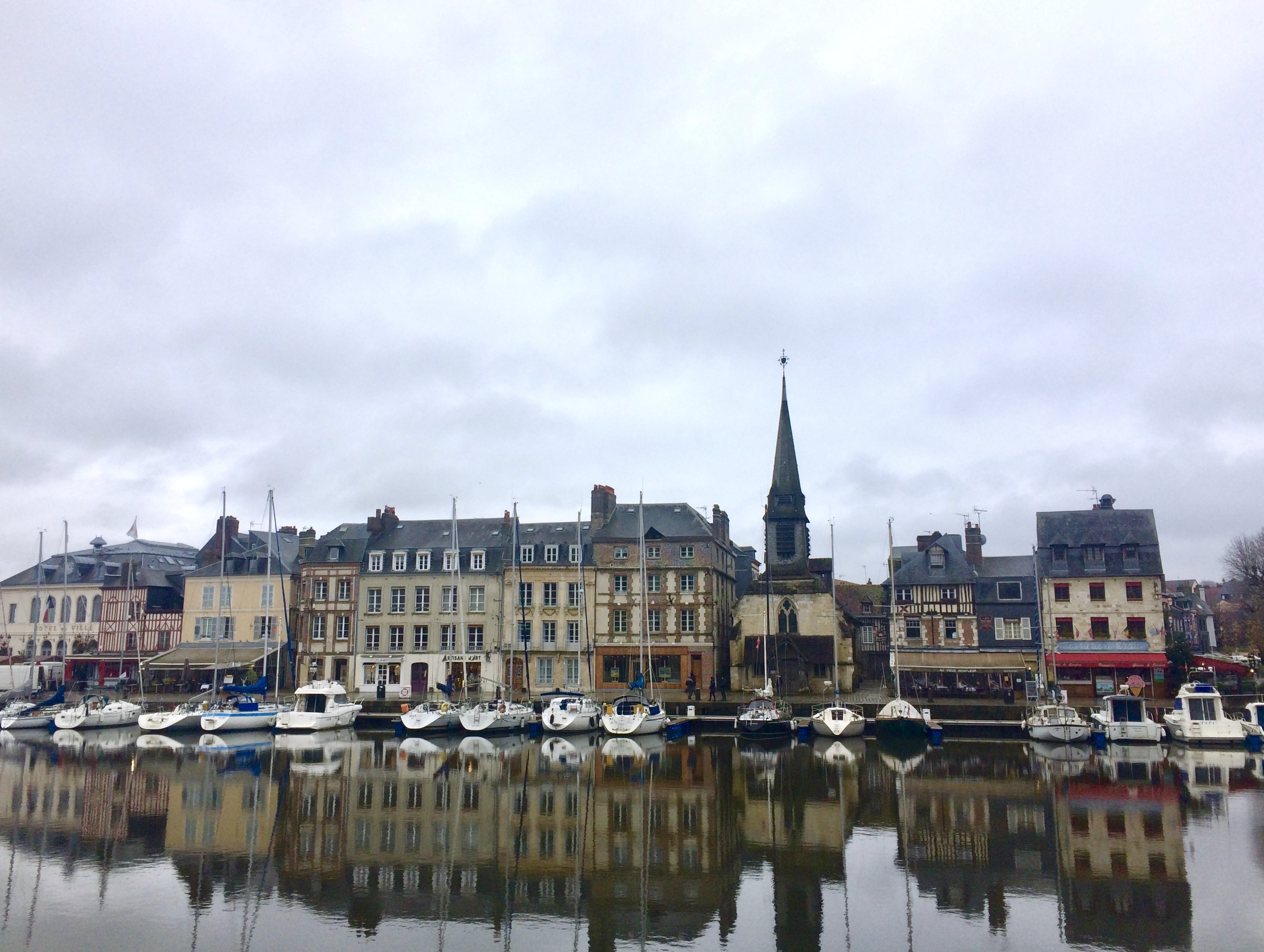
Anyway, because my family is my family, once we arrived in Honfleur (after a quick kebab lunch), we headed straight for the Erik Satie museum, taking just a few moments to pet a baby horse and walk through the oldest and largest wooden church in France.

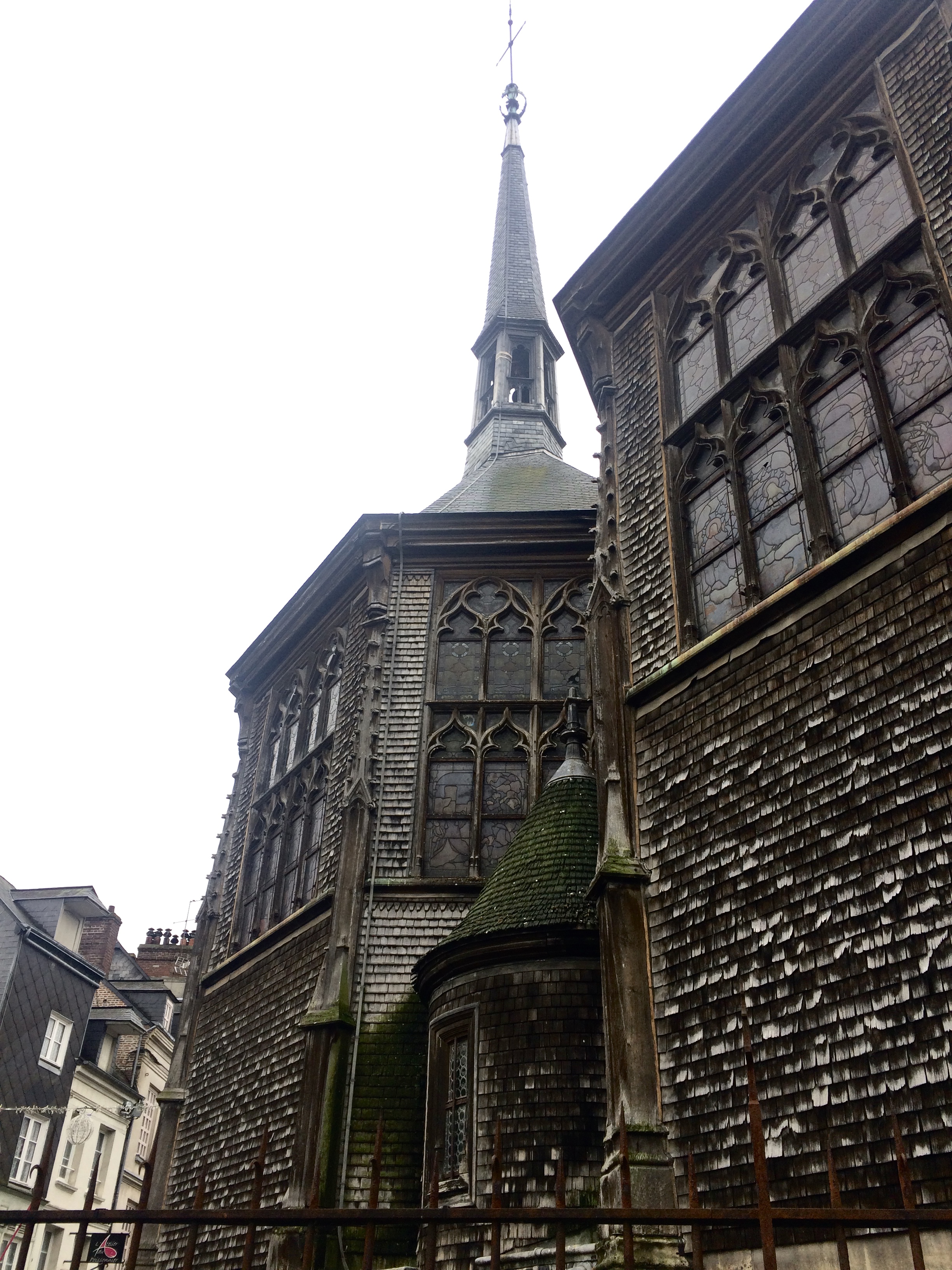
Saint Catherine’s Church smelled deliciously like pine and had one of the most intricately detailed Nativity scenes I have ever seen. It was also guarded by a cute, tiny dog. Within twenty minutes, Honfleur had won me over with its small animals.

Twenty creche pictures later, we were in the Satie museum, having the strangest time. In case you don’t know, Erik Satie was a musician and composer. He composed piano pieces that my mom, the pianist, qualified as “hard to play even though they sound easy.” (I became his fan after Lana Del Rey used one of his pieces at the end of the music video for Carmen.)
France, the queen of interactive museums, did not let us down. The Satie museum has everything: a giant winged pear, a large animatronic monkey, a white self-playing piano, and a whirly-gig pedal operated machine which museum visitors can take for a spin. All of the rooms come paired with Satie’s music and quotes from the man himself, talking about his very, very odd life.

The museum is creative, strange and perfect. I felt like I knew Satie personally by the time we walked back out onto the quaint streets of Honfleur.

I reflected on the oddball life of Erik Satie while looking at the beautiful Honfleur harbor with my family and came up with a short-term answer to the “qui suis-je” question. Maybe wherever I live, I am a different person who adapts to her surroundings. And maybe in France I happen to adapt to the artiste’s lifestyle. A bit weird, a bit creative, a bit existential. Maybe that’s just the French way.
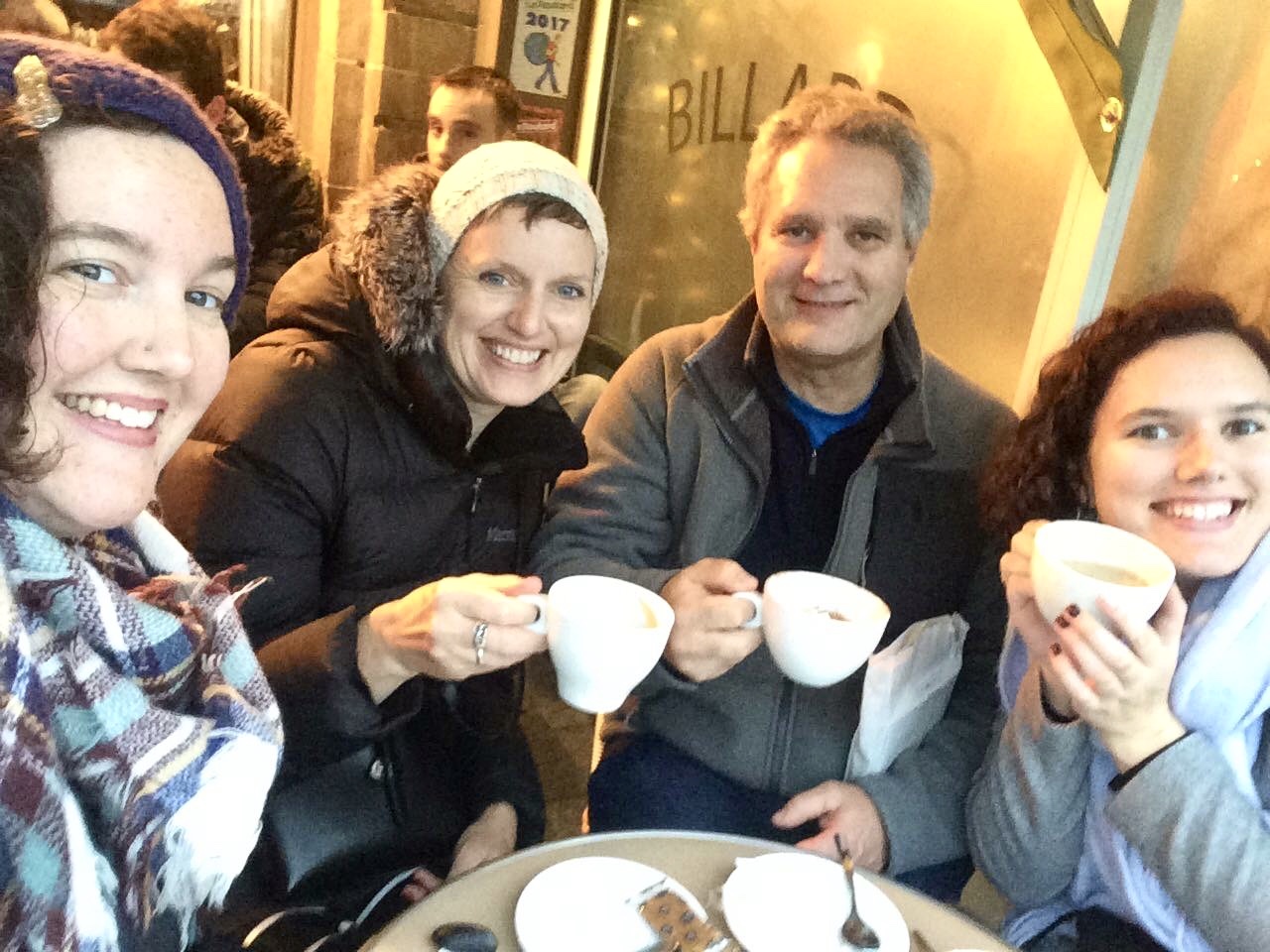
Follow more of my French adventures.
And here’s one of Erik Satie’s Gnossienne’s played on the Cristal Baschet:

Chelsea’s gallery district has reigned as the heart of the city’s contemporary art movement since the late 1990s.
But could skyrocketing rents, coupled to the availability of cheaper options in other parts of the city, mean the district is losing some of its cachet with gallerists?
An August 2016 report by StreetEasy found that real estate prices near the High Line had increased by nearly 50 percent since the park’s opening in 2011.
Longtime Chelsea gallerists have recently made the move to the Lower East Side (Danziger Gallery and CRG), and new galleries are skipping over Chelsea altogether and setting up shop downtown (Magenta Plains, for example, which opened on Allen Street, just north of Broome Street, last year).
Gallerists have also set their sights on Chinatown. Marc Straus, who has been collecting art since he was in college, opened his gallery at 299 Grand St., near Allen, in 2011.
Straus is now planning on tearing down three nearly 200-year-old buildings at 282-286 Grand St. that he also owns and developing an 8-story luxury condominium building with an attached 6,000 square feet of gallery space on their footprint.

Mike Bouchet’s latest “sculpture” fills all 45,000 cubic feet of the white-walled, concrete-floored Marlborough Chelsea art gallery.
There’s nothing to see.
But don’t let the bare walls confuse you: the art is the smell. For his latest exhibition, entitled “Tender,” Bouchet has created the smell of money.
Read the full story: http://www.chelseaclintonnews.com/local-news/20170207/smelling-green
Sophie Sotsky, the artistic director and founder of the modern dance company, TYKE DANCE, is familiar with the trope of the “starving artist.”
“Everybody has a Kickstarter every week. It’s like, ‘Okay everyone, give your $15 to this person, then the next week it’s this person.’ And it’s the same dollar bill that’s just going around in a circle and nobody has any money,” she said.

With her curly hair cropped asymmetrically short, a septum piercing, and an array of layered clothing—which she gestures to when explaining how she “sucks” at creating dance costumes—Sotsky fits the part of an unconventional choreographer.
She says she’s still working on “codifying her movement vocabulary,” but since starting TYKE DANCE in 2011 Sotsky has been creating pieces that combine modern dance techniques and extreme athleticism. It’s a language that’s not always easy to understand.
“You know how when you see a Jackson Pollock painting, it’s actually just paint. The paint doesn’t represent something else, the subject matter and the materials are just the same: paint. That’s my dance. It’s about what’s physically happening,” she said.
The public’s inability to understand dance could be the reason it is one of the more underfunded art forms, and at a time when the cost of living in New York is at an extreme high, dance companies are constantly trying to find cheaper ways to continue making their art.

According to Sotsky, the days of large donors giving money to dance companies are over, so dancers have to rely on crowd funding sites like indiegogo.com or kickstarter.com, which are platforms for online fundraising. But crowd funding can only be successful if donations are made from donors outside of the community, otherwise it becomes a cycle of the same ten dollars being passed from dancer to dancer, ultimately making the dance community more isolated.
“I worry that as an artist I have resigned myself to the fact that I will unquestioningly spend the rest of my life asking everyone I know for $10,” said Sotsky. “So I’m 26 and I’m not going to ask for that money until I know that this is the show of my career.”
Instead, Sotsky pays for all of her performances and projects out of pocket by working as a freelance electrical technician for nine different dance venues in Manhattan. She lives in an apartment building in Bushwick that has a rehearsal space she can use and she has a group of nine dancers willing to work with her for free.
Gregory Dolbashian, artistic director of the DASH Ensemble, a group of contemporary dancers based in Manhattan, thinks that people need to stop using the words “starving” and “artist” in the same sentence.
“You have to believe that the power is in your hands,” he said. “I think that there’s a lot of money in the city and there’s a million and one ways to get it.”
Dolbashian has been successful with Indiegogo campaigns in the past, but he says that the key is in the personal connections.
“I really try to actually be shaking hands and speaking with people as opposed to just typing on my computer,” he said, but he credited some of his success to the fact that he was born and raised in New York City, and therefore has lifetime relationships he can rely on.
Compared to other art forms such as music and film, funding for dance on crowdfunding sites is incredibly low. In 2014, around 4,000 music projects were funded on Kickstarter, but only 416 dance projects were funded.

One producer who is working on creating more opportunities for emerging artists is Alexis Convento, the founder of The Current Sessions, a performing arts organization that provides a space for choreographers and dance companies to perform.
The Current Sessions charges choreographers a production fee ranging from $125 to $150 and then provides rehearsal space, light design, sound design, and two performances at the Wild Project Theater in the East Village.
Convento enjoys being able to bring opportunities to emerging dancers; a group of people that she says are not ready to give up, despite the lack of funding.
“There’s this energy from the younger crowd to just keep on working even though it costs money,” she said. “When I was first starting work I had a bunch of part time jobs. I was maybe working two restaurants at times, which I know a lot of choreographers are doing now in order to sustain their artistic career.”
Not only do some dancers and choreographers work multiple jobs, but they also turn to alternative methods to stay fit because dance training classes are often too expensive.
“People are taking donation based yoga classes or people are training with their friends or becoming gyrotonic certified, or pilates certified,” said Convento. “It’s been difficult, but there are definitely ways of people coming together.”
Sotsky, who has worked with Convento and The Current Sessions before, has seen this energy in the dance community as well. It’s what keeps her working hard to make her art.
“I think that’s part of what makes the community so amazing to me,” she said. “Everybody here knows that we’re all going to be living in relative poverty for the foreseeable future and yet we choose it every day anyway. And I’m totally in love with that.”
It’s been a crazy busy week, but I’ve been trying to take a quick break now and then to enjoy being back in New York, surrounded by art and creativity.
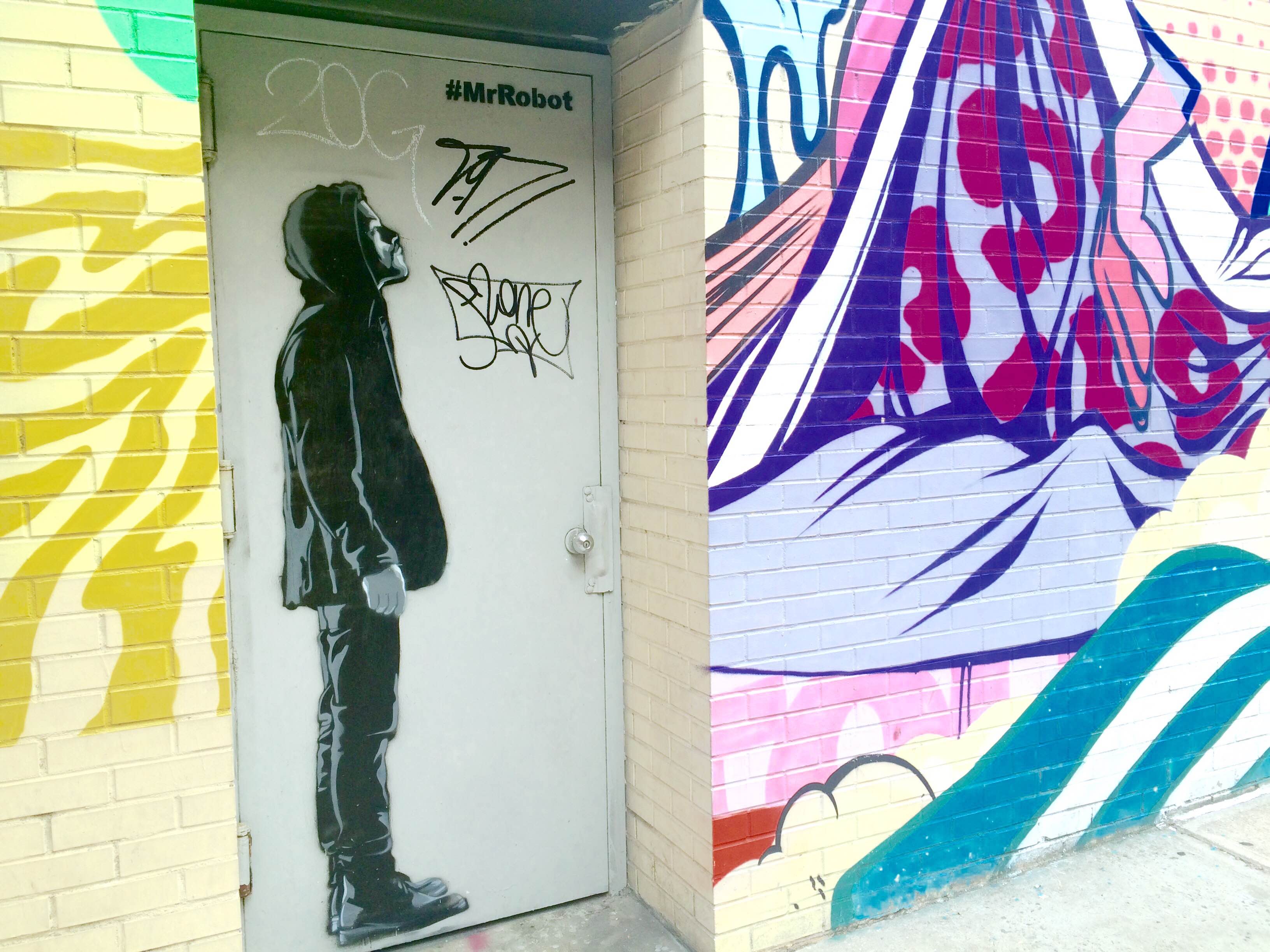 1. Some great street art on Lafayette St. that I walk by every day on the way to school. (And now that Mr. Robot is my new favorite TV show, I get extra happy every time I walk by this hidden portrait of Elliot!)
 2. I live so close to the Hudson river now! Perfect for Sunday evening sunset-watching.
 3. New life motto? I loved this from the exhibit at the Center for Book Arts where Judy interned over the summer.
Right now I am working on choosing a “beat” for my Reporting NYC Subcultures class and I’m finding it so difficult because New York is so alive with so many cultures and subcultures and sub-subcultures. In the class we are exploring how a city can be a breeding ground for arts and culture and it makes me picture New York as a petri-dish, not growing germs (although that is also probably true) but growing the newest and coolest artists, musicians, poets, writers, dancers, and everything inbetween. I think the city has always been this way and I really hope it never dies. Human creativity is so inspiring to me!
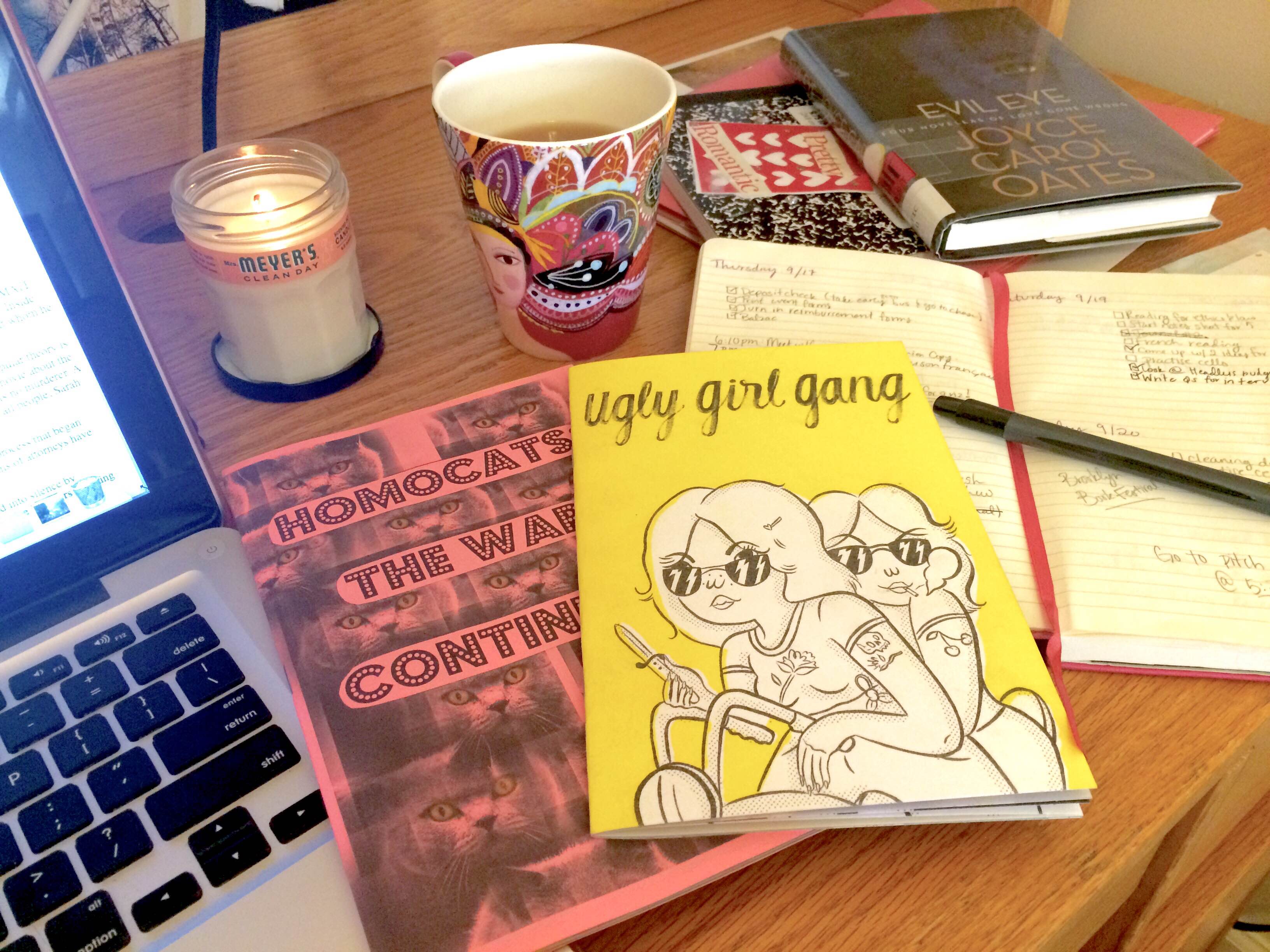 4. New cool zines that I got at the New York Art Book Fair in Queens.
 5. It’s now autumn, but the days are still incredibly beautiful and warm. The chilling memory of last winter is still on my mind as a warning to enjoy it while I can.
XOLily
A crazy dream of mine is to one day be rich enough that I can rent out the entire Musée de l’Orangerie to myself and then just lie down in the oval room that contains Monet’s Water Lilies in complete solitude.

If you’re dying of the summer heat like I am, my advice to you is to go to a museum.
The Musée de l’Orangerie is one of my favorite museums in Paris because it’s cool and bright, never too crowded, and I feel like if I sit and stare at the Water Lily paintings long enough I could actually fall into them.
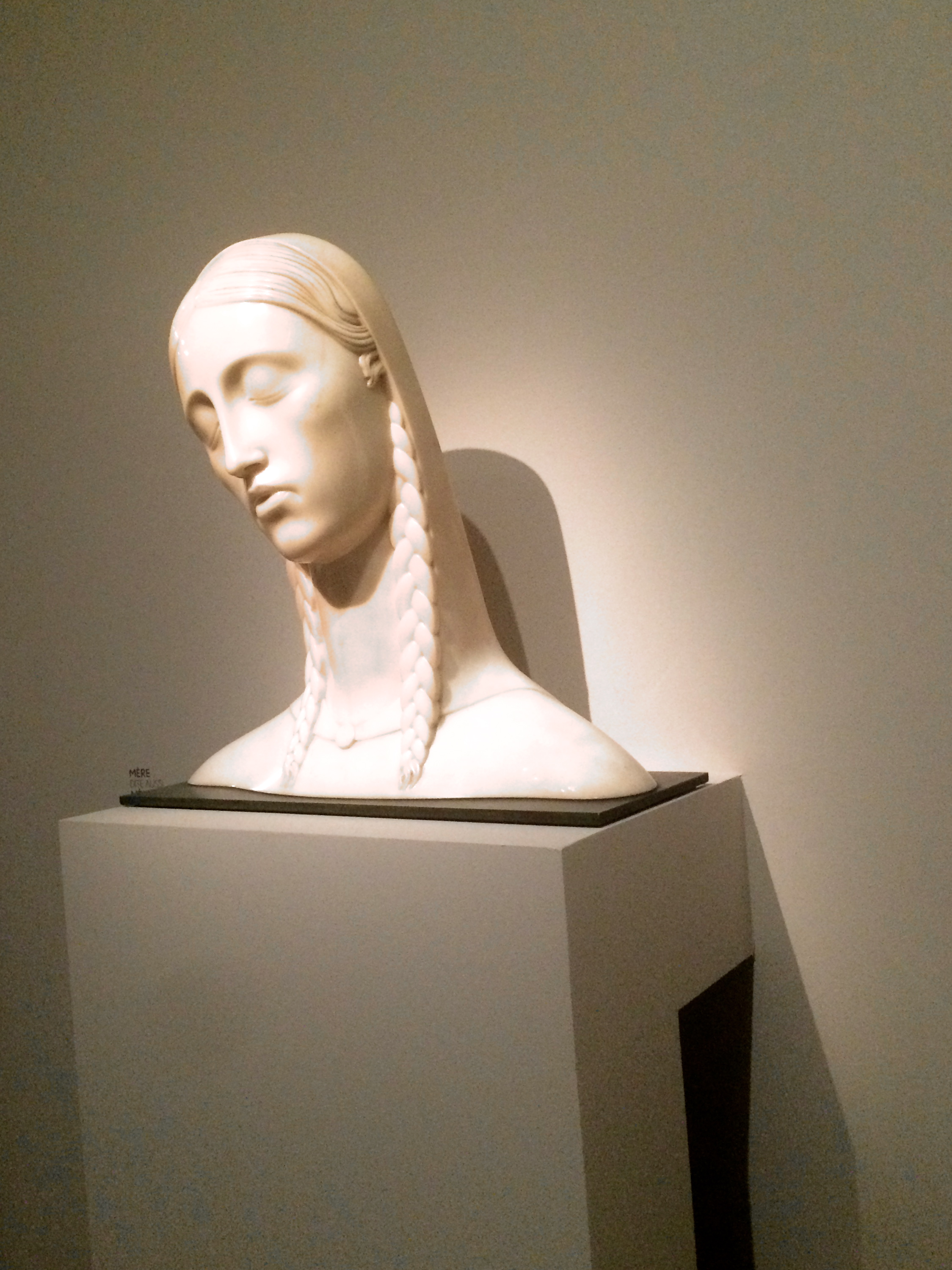
Along with going to see an old favorite, I also got to explore an artist I had never heard of today at an exposition at the Musée de l’Orangerie–the Italian sculptor Adolfo Wildt.
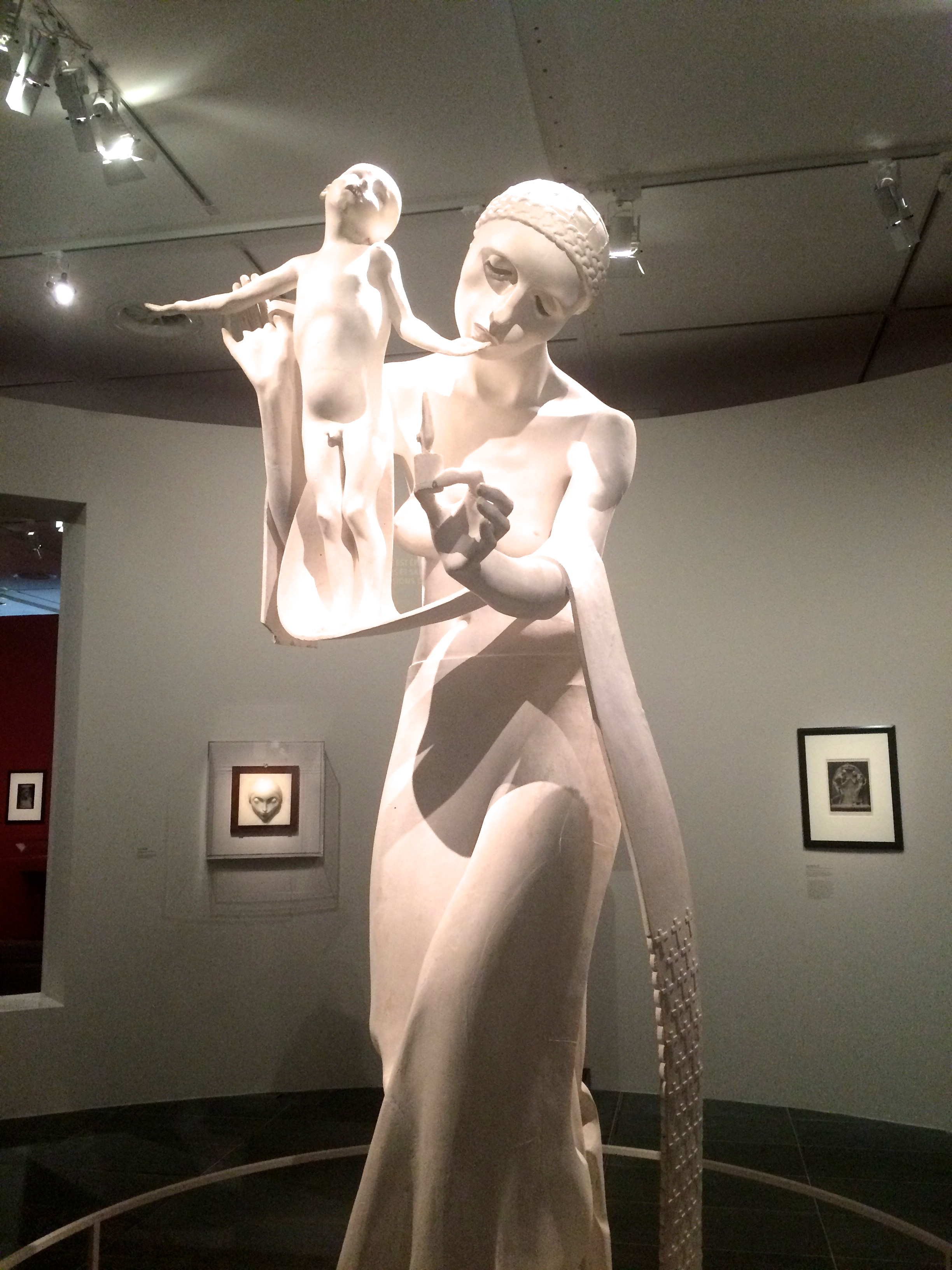
I really enjoyed the way his pieces interacted with the lighting at the exhibit to create cool shadows, making them a bit more haunting.

Wildt was a sculptor in the late 19th Century and often drew inspiration from Renaissance paintings, as well as Romanticism and Art Nouveau. The facial expressions of his sculptures were sometimes rather disturbing and mask-like or they were completely serene and smooth.
Also, in celebration of the Supreme Court’s announcement today, I thought I would post this bit of street art I stumbled upon in the 13th arrondissement that seemed fitting:
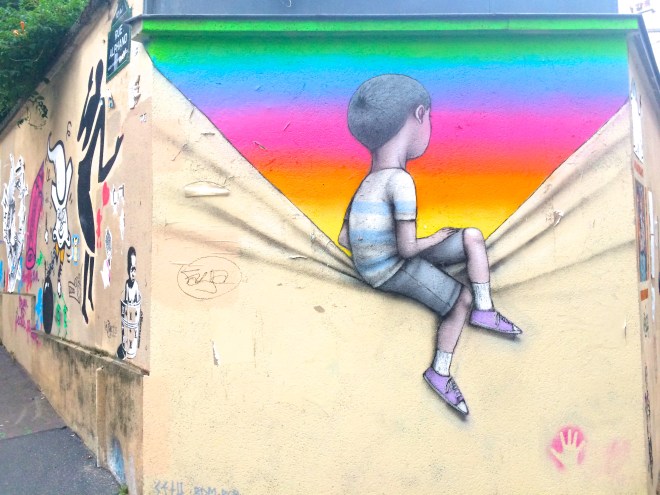
Stay cool
and gay.
XOLily
 Lily Haight